El Salvador Surf Spots: A Guide to the Best Waves
Imagine standing on a black sand beach, the warm Pacific water swirling around your ankles, as you watch perfect, uncrowded waves peel down the point. This isn’t a dream; it’s a reality in El Salvador, a hidden gem for surfers seeking world-class breaks without the hordes. Forget the crowded lineups of more famous surf destinations – El Salvador offers a unique blend of consistent swells, stunning scenery, and a welcoming culture that will keep you coming back for more.
Why El Salvador is a Surfer’s Paradise
El Salvador’s coastline, blessed by a consistent south swell, offers a variety of surf breaks suitable for all skill levels. From beginner-friendly beach breaks to challenging point breaks, there’s something for everyone. The warm water, year-round sunshine, and affordable prices make it an attractive alternative to more established surfing destinations. Plus, the country’s compact size means you can easily explore multiple surf spots in a single trip.
The Best Surf Spots in El Salvador
Here’s a breakdown of some of the most popular and rewarding surf spots El Salvador has to offer:
Punta Roca: A World-Class Right Point Break
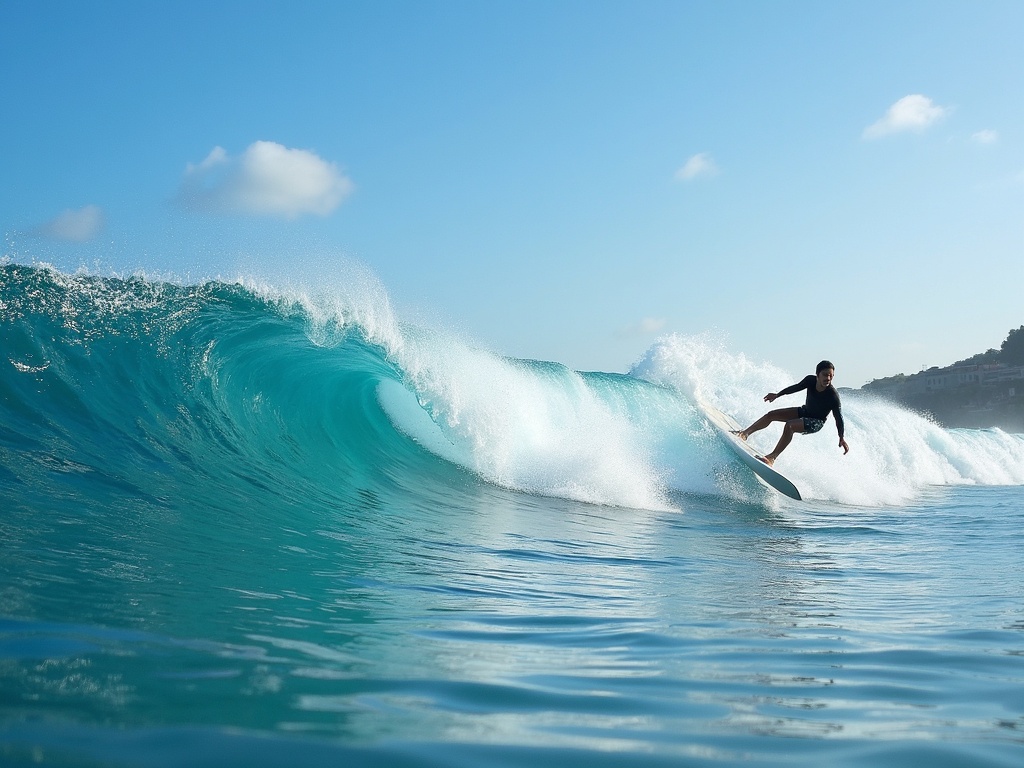
Arguably El Salvador’s most famous wave, Punta Roca in La Libertad is a long, right-hand point break that offers incredibly consistent and powerful rides. It’s known for its smooth, glassy faces and the opportunity for long carves and barrels. This spot is best suited for intermediate to advanced surfers. The wave breaks over a rocky bottom, so be prepared for some potential dings. Due to its quality, Punta Roca can get crowded, especially during peak season (March to October).
El Zonte: Consistent Waves for All Levels
El Zonte is a charming surf town with a more laid-back vibe. The main beach break offers consistent waves that are perfect for beginners and intermediate surfers. There’s also a right-hand point break at the south end of the beach that provides longer, more challenging rides. El Zonte is a great place to learn to surf or simply enjoy a relaxed surf trip with plenty of accommodation and dining options.
Mizata: A Hidden Gem with Multiple Peaks
Located further west along the coast, Mizata is a less-crowded option with a variety of waves. The main break is a river mouth that offers both lefts and rights, providing options for all surfers. The waves here can be powerful and hollow, especially during larger swells. Mizata also offers a more secluded and authentic El Salvador experience.
Las Flores: Long, Perfect Rights
Las Flores is another world-class right-hand point break, located in the eastern part of El Salvador. It’s known for its long, peeling waves that offer incredible opportunities for carving and barrel riding. This spot is best suited for intermediate to advanced surfers as the waves can be powerful and fast. The scenery at Las Flores is stunning, with palm trees lining the beach and lush green hills surrounding the point.
K59 (El Sunzal): A Longer, Mellow Right Point
K59, also known as El Sunzal, is a popular spot that offers a more mellow and forgiving right-hand point break, making it a good option for intermediate surfers looking to progress. The waves here are typically smaller and less powerful than Punta Roca or Las Flores, but they still offer long, fun rides. The atmosphere is friendly and welcoming, and there are several surf schools and rentals available in the area.
When to Go: Surf Seasons in El Salvador
The best time to surf in El Salvador is during the dry season, which runs from March to October. This is when the south swells are most consistent, producing waves of all sizes. The shoulder seasons (February and November) can also offer good surf, with fewer crowds. The wet season (November to April) can still produce waves, but the conditions can be more unpredictable with increased rainfall and onshore winds.
What to Bring: Essential Gear for Surfing in El Salvador
**Surfboard:Bring your go-to board or rent one upon arrival.
**Leash:A reliable leash is essential.
**Wax:Tropical wax is recommended for the warm water.
**Reef Boots:Protect your feet from the rocky bottoms.
**Sunscreen:The sun is strong, so pack plenty of high-SPF sunscreen.
**Rashguard:Protect yourself from the sun and prevent chafing.
**First-Aid Kit:Be prepared for minor cuts and scrapes.
**Insect repellent:Mosquitoes can be present, especially during the wet season.
Beyond the Waves: Exploring El Salvador
While surfing is the main draw for many visitors, El Salvador has much more to offer. Take some time to explore the country’s rich culture, stunning landscapes, and delicious cuisine.
**Visit the Coffee Plantations:El Salvador is known for its high-quality coffee. Take a tour of a coffee plantation and learn about the process from bean to cup.
**Explore the Mayan Ruins:El Salvador is home to several impressive Mayan ruins, including Tazumal and Joya de Cerén.
**Hike to Waterfalls:Discover hidden waterfalls and lush rainforests in El Salvador’s national parks.
**Relax on the Beaches:Beyond surfing, El Salvador boasts beautiful beaches perfect for swimming, sunbathing, and relaxing.
**Try the Local Cuisine:Sample traditional Salvadoran dishes like pupusas (stuffed tortillas) and curtido (cabbage slaw).
Where to Stay: Accommodation Options for Surfers
El Salvador offers a range of accommodation options to suit all budgets and preferences.
**Surf Camps:Several surf camps offer all-inclusive packages that include accommodation, meals, surf lessons, and transportation.
**Boutique Hotels:You can find nice boutique hotels in El Zonte and El Tunco, offering a more luxurious experience.
**Hostels:Budget-friendly hostels are available in most surf towns, providing a social atmosphere and a chance to meet other travelers.
**Airbnb:Renting a house or apartment through Airbnb can be a great option for groups or families. [externalLink insert]
Getting Around: Transportation in El Salvador
**Shuttle Services:Many shuttle companies offer transportation between the airport and the surf towns.
**Rental Cars:Renting a car gives you the freedom to explore the country at your own pace.
**Buses:Public buses are an affordable but less comfortable option for getting around.
**Taxis:Taxis are readily available in the cities and surf towns.
Safety Tips for Surfers in El Salvador
**Be Aware of Rip Currents:Rip currents can be strong, so be cautious when swimming or surfing.
**Respect the Locals:Be respectful of the local culture and customs.
**Don’t Leave Valuables Unattended:Keep your belongings safe.
**Learn Some Basic Spanish:Knowing a few basic Spanish phrases will be helpful.
**Check Surf Reports:Before heading out, check the surf reports to identify the best spots according to your skills.
El Salvador: More Than Just a Surf Trip
Surfing in El Salvador is not just about catching waves; it’s about experiencing a different way of life. It’s about connecting with nature, immersing yourself in a vibrant culture, and discovering the hidden beauty of this Central American gem. So, pack your board, grab your sunscreen, and get ready for an unforgettable surf adventure in El Salvador. You might just find your new favorite wave.