Navigating Food Prices in El Salvador: A Guide to Budget-Friendly Eating
El Salvador, a land of volcanoes, beaches, and vibrant culture, offers a unique and enriching experience for travelers and residents alike. However, like any destination, understanding the cost of living, particularly food prices, is crucial for effective budgeting. Whether you’re planning a trip, considering a move, or simply curious, this guide will help you navigate the landscape of food prices in El Salvador and discover ways to enjoy the country’s delicious cuisine without breaking the bank.
Understanding the Salvadoran Food Market
To truly grasp the nuances of food prices in El Salvador, it’s essential to understand the structure of its food market. Several factors contribute to the cost you’ll encounter at different venues.
Traditional Markets (Mercados)
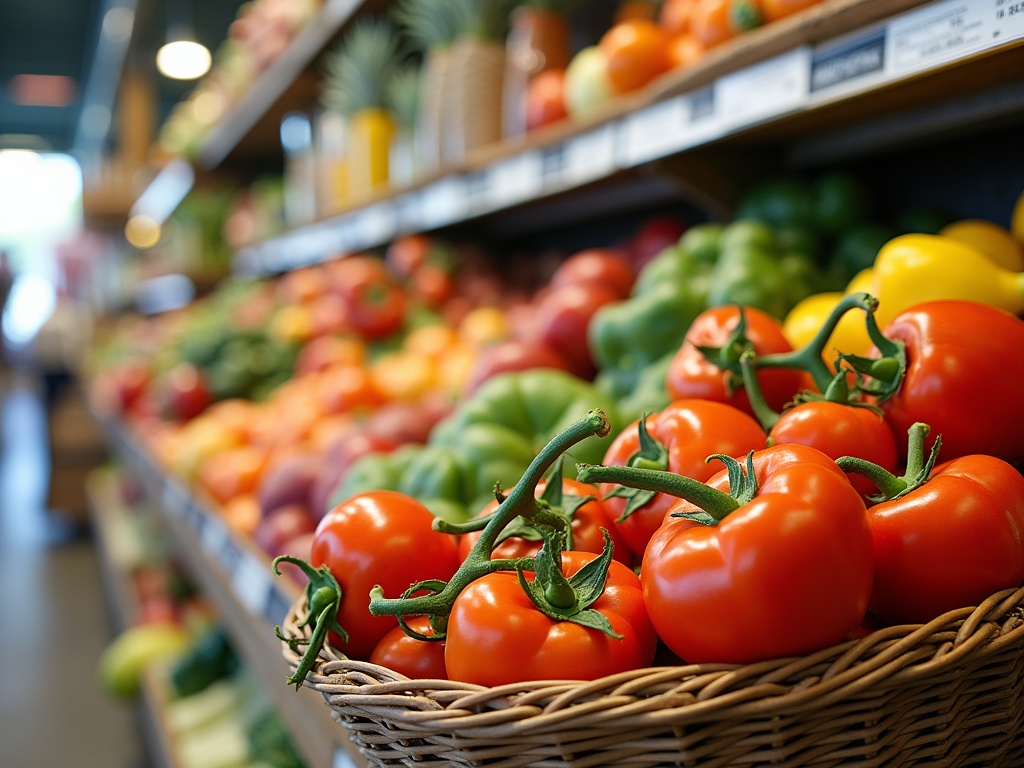
Bustling, vibrant, and brimming with local produce, traditional markets are a cornerstone of Salvadoran life. Here, you’ll find the freshest fruits, vegetables, meats, and spices, often at significantly lower prices than supermarkets. Bargaining is common practice and can lead to even greater savings. However, be prepared for a sensory overload: the markets are often crowded, noisy, and require a bit of Spanish to navigate effectively.
Supermarkets
Offering a wider selection of both local and imported goods, supermarkets provide a more familiar shopping experience for those accustomed to Western-style grocery stores. Prices are generally higher than in traditional markets, but the convenience and availability of specific items can be worth the extra cost. Popular supermarket chains include Super Selectos and La Despensa de Don Juan.
Street Food Vendors
Street food is an integral part of Salvadoran culture and often the most budget-friendly way to experience the local cuisine. Pupusas, tamales, and yuca frita are just a few examples of the delicious and affordable options available on street corners throughout the country.
Key Factors Influencing Food Prices
Several economic and logistical factors contribute to the fluctuation of food prices in El Salvador. Keeping these in mind can help you anticipate price changes and make informed purchasing decisions.
- Seasonality: The availability of seasonal fruits and vegetables directly impacts their prices. During peak season, you’ll find lower prices and higher quality.
- Import Costs: El Salvador imports a significant portion of its food supply. Fluctuations in global markets and transportation costs directly affect the prices of imported goods.
- Exchange Rates: The exchange rate between the US dollar (El Salvador’s official currency) and other currencies can influence the price of imported foods.
- Transportation Costs: The cost of transporting goods from farms to markets and supermarkets affects the final price consumers pay.
- Government Subsidies: Government programs and subsidies can sometimes help stabilize the prices of essential food items.
A Breakdown of Common Food Items and Their Prices
To give you a clearer picture of what to expect, here’s a breakdown of the average prices for common food items in El Salvador, as of late 2024. Keep in mind that these are estimates and can vary depending on location and vendor. Please note that prices are given in USD, the official currency of El Salvador.
| Food Item | Average Price (USD) | Notes |
|---|---|---|
| Pupusas (per piece) | $0.50 – $1.00 | Street food, varies based on filling and location. |
| Rice (1 lb) | $0.50 – $0.75 | A staple, price can vary slightly. |
| Black Beans (1 lb) | $0.75 – $1.00 | Another staple, prices are relatively stable. |
| Chicken (1 lb) | $1.50 – $2.50 | Varies depending on cut and quality. |
| Beef (1 lb) | $3.00 – $5.00 | More expensive than chicken, varies by cut. |
| Eggs (dozen) | $2.00 – $3.00 | Prices can fluctuate slightly. |
| Milk (1 liter) | $1.00 – $1.50 | Available in supermarkets. |
| Bread (loaf) | $1.00 – $2.00 | Depends on type and bakery. |
| Tomatoes (1 lb) | $0.50 – $1.00 | Seasonal price variations. |
| Onions (1 lb) | $0.40 – $0.75 | Generally affordable. |
| Avocados (per piece) | $0.50 – $1.50 | Price depends on size and season. |
| Coffee (1 lb) | $3.00 – $6.00 | Locally grown coffee, price varies by brand and quality. |
Tips for Saving Money on Food in El Salvador
Living or traveling in El Salvador doesn’t have to drain your wallet. Here are some practical tips for saving money on food while still enjoying the local flavors.
- Shop at Local Markets: Embrace the mercado experience! You’ll find the best prices on fresh produce and support local farmers. Don’t be afraid to bargain respectfully.
- Eat Street Food: Street food is not only delicious but also incredibly affordable. Explore the diverse offerings and discover your favorite local snacks.
- Cook at Home: Preparing your own meals is almost always cheaper than eating out. Take advantage of the fresh ingredients available at the markets.
- Buy in Bulk: If you plan to stay for an extended period, consider buying staple items like rice, beans, and coffee in bulk.
- Eat Seasonally: Prioritize fruits and vegetables that are in season. They will be both cheaper and tastier.
- Limit Imported Goods: Imported products are significantly more expensive. Opt for locally produced alternatives whenever possible.
- Look for Comedores: These small, family-run restaurants offer simple, affordable meals, often catering to local workers.
- Avoid Tourist Traps: Restaurants in heavily touristed areas tend to have inflated prices. Venture off the beaten path to find more authentic and affordable dining options.
Regional Variations in Food Prices
It’s important to note that food prices can vary across different regions of El Salvador.
- San Salvador: As the capital city, San Salvador generally has higher prices than rural areas, especially in upscale neighborhoods and tourist zones.
- Coastal Regions: Seafood is abundant and relatively affordable in coastal areas. Prices for other goods may be slightly higher due to transportation costs.
- Rural Areas: Rural areas often offer the lowest prices on locally grown produce and staple foods.
The Impact of Inflation and Economic Factors
Like many countries, El Salvador is subject to inflation and other economic factors that can impact food prices. Staying informed about the current economic climate can help you anticipate price changes and adjust your budget accordingly. Monitoring news sources and economic reports can provide valuable insights.
Eating Out on a Budget: Affordable Restaurant Options
While cooking at home is a great way to save money, you’ll undoubtedly want to experience El Salvador’s restaurant scene. Fortunately, there are plenty of affordable options available.
- Pupuserias: These restaurants specialize in pupusas, a Salvadoran staple made from thick corn tortillas filled with various ingredients like cheese, beans, and pork. They are incredibly affordable and satisfying.
- Comedores: As mentioned earlier, comedores offer simple, home-style meals at very reasonable prices.
- Pollo Campero: This popular fast-food chain offers delicious fried chicken at budget-friendly prices.
- Street Food Stalls: Many street food vendors offer more substantial meals in addition to snacks. Look for options like grilled meats, soups, and stews.
Long-Term Trends and Projections
Predicting the future of food prices is always challenging, but understanding long-term trends can provide a valuable perspective. Factors such as climate change, population growth, and economic development are likely to continue influencing food prices in El Salvador. Investing in local agriculture and promoting sustainable farming practices can help mitigate the impact of these challenges. You can learn more about sustainable businesses and their influence on economies and local people at [externalLink insert]
Conclusion: Enjoying El Salvador’s Rich Culinary Landscape on a Budget
Food prices in El Salvador, while subject to fluctuations, present opportunities for savvy consumers to enjoy the country’s rich culinary landscape without overspending. By embracing local markets, exploring street food, and cooking at home, you can experience the authentic flavors of El Salvador while staying within your budget. So, venture out, explore, and savor the delicious and affordable culinary adventures that await you in this beautiful Central American nation. Don’t be afraid to try new things, ask for recommendations, and immerse yourself in the vibrant food culture of El Salvador. Your taste buds and your wallet will thank you!