Navigating ATMs in El Salvador: A Traveler’s Guide to Accessing Cash
Imagine stepping off the plane in El Salvador, the vibrant energy of Central America swirling around you. You’re ready to explore ancient Mayan ruins, surf the Pacific coast, and savor the local cuisine. But a nagging question lingers: how will you access your money? Don’t worry, while El Salvador’s financial landscape has evolved, ATMs are still a reliable option for getting local currency. This guide will provide you with everything you need to know about using ATMs in El Salvador, from finding them to avoiding fees and staying safe.
The ATM Landscape in El Salvador: An Overview
El Salvador has a fairly well-established network of ATMs, primarily located in larger cities and tourist areas. While you might not find them in every small village, access to cash is generally readily available. Keep in mind that with the adoption of Bitcoin as legal tender, some ATMs also offer cryptocurrency transactions, but we’ll focus on traditional cash withdrawals in this guide. The major banks operating ATMs include:
- Banco Agrícola: One of the largest banks with widespread ATM coverage.
- Banco Davivienda: Another major player with ATMs in most cities.
- Scotiabank: An international bank with a presence in El Salvador.
- Banco Cuscatlán: A local bank with a good network of ATMs.
It is important to note that smaller banks and credit unions may have fewer ATMs, and their availability might be limited to specific regions.
Finding ATMs: Location is Key
Finding an ATM is usually straightforward in urban areas. Here’s where to look:
- Bank Branches: The most reliable place to find ATMs, often with multiple machines available. Look for branches of the banks listed above.
- Shopping Malls: Major shopping malls typically have ATMs from various banks.
- Airports: Both the main international airport (Monseñor Óscar Arnulfo Romero International Airport) and smaller airports will have ATMs.
- Gas Stations: Some larger gas stations, especially those along highways, may have ATMs.
- Tourist Areas: Hotels and areas popular with tourists often have ATMs, though these may carry higher fees.
While online ATM locators can be helpful, it’s always a good idea to double-check the information upon arrival, as locations can change. Ask your hotel or local contacts for the nearest and most reliable ATM.
Understanding Fees and Charges
ATM fees are a reality in El Salvador, just like in most countries. You can expect to encounter several types of charges:
- Local ATM Fees: Salvadoran banks will charge a fee for using their ATMs, typically ranging from $1 to $5 per transaction. This fee will be displayed on the screen before you complete the withdrawal.
- Your Bank’s Fees: Your own bank will likely charge a fee for using an ATM outside of its network, as well as a foreign transaction fee (usually a percentage of the withdrawal amount). Check with your bank before you travel to understand these fees.
- Dynamic Currency Conversion (DCC): Be wary of ATMs that offer to convert the withdrawal amount into your home currency. This convenience usually comes with a poor exchange rate and hidden fees. Always choose to be charged in the local currency (US dollars in El Salvador).
To minimize fees, consider withdrawing larger amounts less frequently, but always be mindful of your personal safety when carrying cash.
Cash or Card? Navigating Payment Options
While ATMs provide access to cash, it’s essential to understand the prevalence of card payments in El Salvador. Credit and debit cards are accepted in many establishments, particularly in larger cities, tourist areas, and major hotels. However, smaller businesses, local markets, and rural areas often prefer or only accept cash.
Having a mix of both cash and card options allows you to navigate different situations seamlessly. Use your card where accepted and rely on ATMs for cash when needed. It is also advantageous to inform your bank or credit card company about your travel plans to El Salvador. This will prevent them from flagging your transactions as suspicious and potentially blocking your card.
Security Tips for ATM Usage
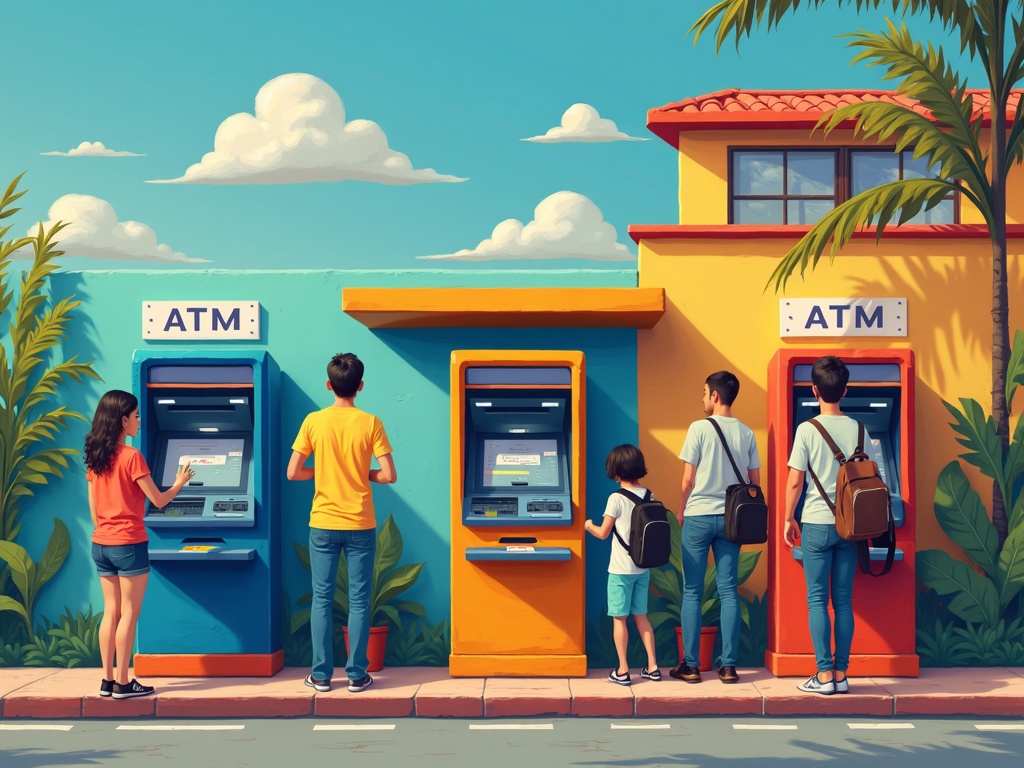
Safety should always be a top priority when using ATMs, especially in unfamiliar environments. Here are some essential security tips:
- Use ATMs at Bank Branches: These are generally the safest option, as they are well-lit and often have security guards.
- Be Aware of Your Surroundings: Before approaching an ATM, take a moment to observe your surroundings. If anything seems suspicious, find another ATM.
- Shield the Keypad: When entering your PIN, shield the keypad with your hand to prevent anyone from seeing your code.
- Avoid Distractions: Be wary of anyone who approaches you or tries to distract you while you are using the ATM.
- Count Your Money Discreetly: After withdrawing your cash, count it discreetly and put it away immediately in a secure place. Avoid displaying large amounts of cash in public.
- Trust Your Instincts: If you feel uncomfortable or unsafe at any point, cancel the transaction and leave.
Consider using a money belt or a concealed pouch to keep your cash safe. Also, be discreet when talking about your money or travel plans with strangers. Keeping a low profile is crucial for personal safety.
The Rise of Bitcoin and ATMs
El Salvador’s adoption of Bitcoin as legal tender has led to the emergence of Bitcoin ATMs, also known as Chivo ATMs. These ATMs allow users to buy and sell Bitcoin using US dollars. While these ATMs can be convenient for those interested in cryptocurrency, it’s important to understand the associated risks and fees. These ATMs often have higher transaction fees compared to traditional ATMs.
A separate digital wallet named Chivo Wallet accompanied the new law, which aims to facilitate Bitcoin transactions for Salvadorans . It’s essential, though, to possess a clear understanding of the potential hazards associated with using cryptocurrencies, as their worth can fluctuate significantly.
Alternatives to ATMs: Other Ways to Access Funds
While ATMs are a convenient option, it’s worth exploring alternative ways to access your funds in El Salvador. Here are a few options:
- Credit Card Cash Advances: You can withdraw cash from your credit card at a bank branch, but be aware that this usually comes with high fees and interest charges.
- Money Transfer Services: Services like Western Union and MoneyGram allow you to send money to yourself or someone else in El Salvador. This can be useful in emergencies.
- Traveler’s Checks: While less common these days, traveler’s checks can still be cashed at some banks and hotels. However, they are generally not as convenient as ATMs or credit cards.
Consider using a combination of these options to diversify your access to funds and minimize risks.
Currency Exchange in El Salvador
In El Salvador, the official currency is the US dollar (USD). This simplifies currency exchange because there’s no need to convert your money upon arrival if you’re coming from the United States. However, if you’re traveling from another country, you’ll need to exchange your currency for US dollars before or upon arrival. Currency exchange services are available at the airport, banks, and exchange houses (casas de cambio). Be aware of the exchange rates and fees charged by these services, and compare rates before making a transaction. Banks generally offer the most favorable exchange rates, but their hours may be limited. Avoid exchanging money at unofficial exchange locations or with individuals on the street, as this can be risky.
Planning Your Finances for Your Trip
Before traveling to El Salvador, it’s wise to plan your finances carefully. Here’s a checklist to help you prepare:
- Inform Your Bank: Notify your bank of your travel dates and destinations to prevent your card from being blocked.
- Check Fees: Understand the fees associated with using ATMs and credit cards in El Salvador.
- Set a Budget: Estimate your expenses and set a daily or weekly budget to avoid overspending.
- Carry a Backup Card: Bring a second credit or debit card in case your primary card is lost or stolen.
- Keep Emergency Cash: Have a small amount of US dollars in cash as backup in case of emergencies or unexpected expenses.
Careful planning and awareness can help you manage your finances effectively and enjoy your trip to El Salvador without any financial stress. Remember to remain vigilant and prioritize your safety at all times, especially while handling money in public.
Conclusion
While El Salvador has embraced modern payment solutions, ATMs remain a valuable resource for travelers. By understanding the ATM landscape, being mindful of fees, prioritizing safety, and planning ahead, you can confidently access the cash you need to fully experience the beauty and culture of this vibrant country. So go ahead, explore the captivating landscapes, immerse yourself in the local culture, and create unforgettable memories, knowing you have reliable options for managing your finances along the way.