Pilsener Beer: El Salvador’s Liquid Gold
Imagine yourself on a sun-drenched beach in El Salvador, the waves gently crashing against the shore. The air is thick with the scent of pupusas and the sound of laughter. What’s the perfect accompaniment to this idyllic scene? For many Salvadorans, the answer is undoubtedly a cold, crisp Pilsener beer. More than just a beverage, Pilsener is woven into the very fabric of Salvadoran culture, a symbol of national pride and shared moments.
A History Brewed in Tradition
The story of Pilsener beer in El Salvador is one of tradition and adaptation. While the pilsner style itself originated in Bohemia (now the Czech Republic) in the 19th century, it quickly spread across the globe, finding fertile ground in El Salvador.
The local brewing industry recognized the appeal of this light, refreshing beer and began producing their own versions, tailored to the Salvadoran palate and climate. Over time, these pilseners evolved, becoming distinct from their European counterparts and developing a unique character that reflects the spirit of El Salvador.
Pilsener: The Dominant Force
Today, Pilsener is *thedominant beer style in El Salvador. When someone orders a cerveza in a typical Salvadoran tienda (small store) or restaurant, it’s almost always assumed they’re referring to a Pilsener. This isn’t just a matter of preference; it’s a deeply ingrained cultural habit. It’s the beer you share with family at Sunday gatherings, the beer you toast with friends after a football match, and the beer you sip while watching the sunset over the Pacific.
The Defining Characteristics of Salvadoran Pilsener
So, what exactly defines a Salvadoran Pilsener? While variations exist, there are some key characteristics that set it apart:
**Light and Refreshing:These beers are typically light-bodied and highly carbonated, making them incredibly refreshing in El Salvador’s tropical climate.
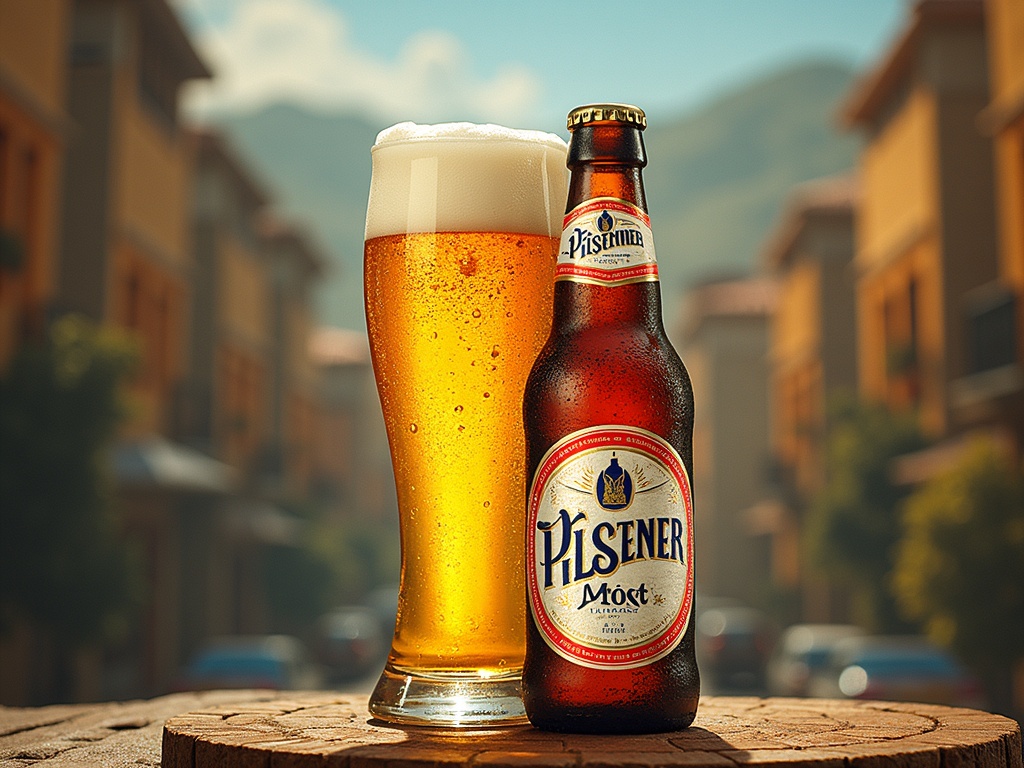
**Golden Color:Expect a beautiful, clear golden hue that sparkles in the sunlight.
**Subtle Hop Aroma:Salvadoran pilseners often exhibit a subtle hop aroma, providing a gentle bitterness that balances the malt sweetness. It’s not an overpowering hoppiness like some IPAs; it’s a delicate touch.
**Clean Finish:The finish is clean and crisp, leaving you wanting another sip.
The Major Players: Pilsener Brands in El Salvador
Several brands dominate the Salvadoran Pilsener market, each with its own loyal following.
**Pilsener:Arguably the most iconic and well-known brand, simply called Pilsener, is produced by Industrias La Constancia. It’s a staple at any gathering, easily recognizable by its green and gold labeling.
**Suprema:Another popular choice from Industrias La Constancia, Suprema offers a slightly smoother and more refined taste compared to the original Pilsener.
**Golden Light:As the name suggests, Golden Light is a lighter option, often favored by those who prefer a less intense beer.
While these larger brands hold significant market share, a growing craft beer scene is emerging in El Salvador, with brewers experimenting with different interpretations of the pilsner style and other beer varieties. However, the classic Pilsener remains king.
Food Pairings: The Perfect Culinary Companions
One of the great things about Pilsener beer is its versatility when it comes to food pairings. Its light and refreshing character makes it a perfect match for a wide range of Salvadoran dishes.
**Pupusas:The quintessential Salvadoran dish, pupusas (thick griddle cakes filled with cheese, beans, and/or pork) are a natural pairing with Pilsener. The beer cuts through the richness of the pupusas, cleansing the palate and preparing you for the next bite.
**Seafood:Given El Salvador’s extensive coastline, seafood is a major part of the local cuisine. Pilsener pairs beautifully with grilled fish, ceviche, and shrimp cocktails.
**Fried Plantains:The sweetness of fried plantains is balanced perfectly by the crisp bitterness of a Pilsener.
**Grilled Meats:Whether it’s carne asada or grilled chicken, Pilsener provides a refreshing counterpoint to the smoky flavors of grilled meats.
**Spicy Dishes:While not overpowering, the subtle hop bitterness in Pilsener can help tame the heat from spicy dishes.
Beyond the Drink: Pilsener as a Social Lubricant
In El Salvador, Pilsener is more than just a drink; it’s a social lubricant. It’s a way to connect with others, to celebrate life’s moments, big and small. Sharing a Pilsener is a sign of friendship, hospitality, and camaraderie.
You’ll often see groups of friends gathered around a table, sharing a bucket of ice-cold Pilseners and engaging in lively conversation. In El Salvador, drinking is often a communal experience, and Pilsener plays a central role in fostering these connections.
The Art of Pouring and Serving
Even the way Pilsener is poured and served in El Salvador reflects the culture’s attention to detail and appreciation for the simple things in life.
**Ice-Cold is Key:The colder the better! Pilsener is best enjoyed ice-cold, straight from the refrigerator or cooler.
**The Perfect Pour:A good pour creates a foamy head, which helps to release the beer’s aroma and flavor.
**The Right Glass:While you can drink Pilsener from a bottle, many Salvadorans prefer to pour it into a glass, allowing them to appreciate its color and aroma. A tall, slender pilsner glass is ideal.
**Shared Bottles:It’s common to share a large bottle of Pilsener (a litro) among friends, pouring individual glasses as needed. This fosters a sense of community and shared experience.
A Taste of El Salvador, Wherever You Are [externalLink insert]
Even if you can’t travel to El Salvador right now, you can still experience the taste of Salvadoran Pilsener. Look for imported brands at your local liquor store or online retailer. While it might not be quite the same as sipping a Pilsener on a Salvadoran beach, it’s a great way to connect with the culture and appreciate the unique flavors of this beloved beer.
The Future of Pilsener in El Salvador
While large brands continue to dominate, the future of Pilsener in El Salvador is also intertwined with the growth of the local craft beer scene. As more Salvadoran brewers experiment with different styles and techniques, we may see new and innovative interpretations of the classic Pilsener emerge. This could lead to a greater appreciation for the nuances of the style and a wider range of options for beer lovers.
Regardless of how the market evolves, one thing is certain: Pilsener will continue to be a beloved part of Salvadoran culture for generations to come. It’s more than just a beer; it’s a symbol of national identity, a reminder of shared moments, and a taste of the good life in El Salvador.
So, the next time you’re looking for a refreshing and flavorful beer, consider trying a Salvadoran Pilsener. You might just discover your new favorite drink and a new appreciation for the vibrant culture of El Salvador.