Sopa de Pata: Unearthing the Rich History and Cultural Significance of Cow Foot Soup
Imagine a steaming bowl, its broth a deep, inviting amber, rich with the promise of slow-cooked goodness. This is *sopa de pata*, a dish that transcends mere sustenance, offering a taste of history, a connection to culture, and a comforting embrace in every spoonful. More than just a soup, it’s a culinary cornerstone in many Latin American countries, carrying stories of tradition, resourcefulness, and the enduring power of family recipes.
What Exactly is Sopa de Pata? Decoding the Ingredients
At its heart, *sopa de patais a soup made primarily from cow’s feet. While this might sound unusual to some, it’s a testament to using every part of the animal, a practice born of necessity and perfected through generations. The cow’s feet are slow-cooked for hours, even days, to extract their gelatin and collagen. This extended cooking process is what gives the soup its characteristic thick, gelatinous texture and deeply savory flavor.
But *sopa de patais more than just cow’s feet. The supporting cast of ingredients varies by region and even by family, reflecting the diverse culinary landscapes where this soup has taken root. Common additions include:
**Vegetables:Potatoes, carrots, yuca (cassava), plantains, and cabbage are frequently added, contributing sweetness, starch, and texture.
**Grains and Starches:Rice, noodles, or even dumplings can be incorporated to make the soup even heartier.
**Herbs and Spices:Cilantro, onions, garlic, cumin, oregano, and peppers (ranging from mild to fiery) are used to season the broth, adding depth and complexity.
**Other Meats:Sometimes, tripe (beef stomach) or other cuts of beef are included to further enrich the flavor.
The precise combination of these ingredients is a closely guarded secret in many families, passed down through generations and tweaked to reflect personal preferences. This regional and familial variation is part of what makes *sopa de pataso fascinating and delicious.
A Culinary Journey: Sopa de Pata Across Latin America
*Sopa de pataisn’t just a single dish; it’s a family of soups, each with its own unique regional identity. From El Salvador to Honduras, Guatemala to Costa Rica, and even in parts of Mexico, you’ll find variations on this beloved classic. Let’s explore some of these regional nuances:
**El Salvador:In El Salvador, *sopa de patais often considered a celebratory dish, served during special occasions and family gatherings. It’s typically made with cow’s feet, vegetables like yuca and cabbage, and seasoned robustly with herbs and spices. Lime is almost always served on the side, adding a zesty brightness to the rich broth.
**Honduras:Honduran *sopa de patashares similarities with the Salvadoran version, but may include different vegetables, such as plantains. The use of spices can also vary, with some cooks adding a touch of chili for a gentle kick.
**Guatemala:Guatemalan *sopa de patabenefits from the rich and fertile volcanic soil of the country and often features a wider variety of vegetables reflecting the terroir.
**Costa Rica:In Costa Rica, *sopa de patamight be less common than other soups, but it still holds a place in traditional cuisine. Recipes often reflect a simpler approach, focusing on the quality of the ingredients and the long, slow cooking process.
**Mexico:In some regions of Mexico, particularly along the Gulf Coast, you can find versions of *sopa de pata*. These soups often incorporate local ingredients and flavors, reflecting the culinary traditions of the area.
Regardless of the specific regional variation, the underlying principle remains the same: to create a nourishing and flavorful soup from humble ingredients, celebrating resourcefulness and tradition.
The Slow Dance of Flavor: Preparing Sopa de Pata
Making *sopa de patais a labor of love, a testament to the art of slow cooking. It’s not a dish you can rush; it requires patience, dedication, and a willingness to let the flavors develop over time.
Here’s a general overview of the cooking process:
1. **Preparation:The cow’s feet need to be meticulously cleaned and often soaked overnight. Some cooks singe the feet to remove any remaining hairs and impart a smoky flavor.
2. **First Boil:The cleaned feet are placed in a large pot with water and brought to a boil. This initial boil helps to remove impurities and scum, which are skimmed off the surface.
3. **The Long Simmer:After the initial boil, the water is replaced with fresh water, and the feet are simmered for hours, often 4-8 hours or even longer, until the meat is incredibly tender and the broth is rich and gelatinous.
4. **Adding the Flavor Foundation:Vegetables, herbs, and spices are added at various stages of the simmering process, depending on their cooking time. Hard vegetables like potatoes and yuca are added earlier, while leafy greens and delicate herbs are added towards the end.
5. **The Final Touches:Once the soup is cooked, it’s often seasoned to taste with salt, pepper, and lime juice. Garnishes like chopped cilantro, onions, or avocado can be added just before serving.
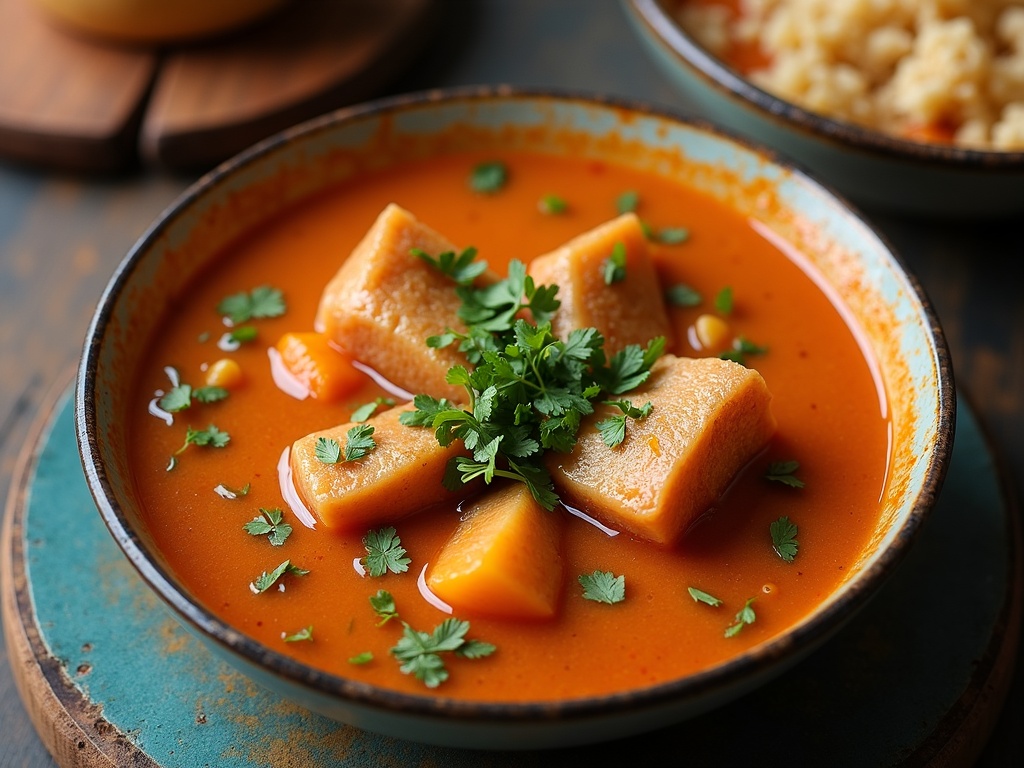
The aroma that fills the kitchen during the long simmering process is intoxicating – a blend of savory meat, earthy vegetables, and fragrant herbs. It’s an aroma that evokes memories of family gatherings, comforting meals, and the enduring traditions of Latin American cuisine.
More Than Just a Meal: The Cultural Significance of Sopa de Pata
*Sopa de patais more than just a delicious soup; it’s a cultural symbol, representing resourcefulness, tradition, and the importance of family. Here are a few ways in which this soup holds cultural significance:
**A Symbol of Resourcefulness:Using cow’s feet, a less desirable cut of meat, demonstrates the ability to create something delicious and nourishing from humble ingredients. This reflects a spirit of resourcefulness that is deeply ingrained in many Latin American cultures.
**A Connection to Tradition:*Sopa de patarecipes are often passed down through generations, connecting families to their culinary heritage. Each family has its own unique version of the soup, reflecting their specific tastes and traditions.
**A Dish for Special Occasions:In many communities, *sopa de patais reserved for special occasions, such as holidays, birthdays, or family gatherings. Sharing a bowl of *sopa de patais a way to celebrate together and strengthen family bonds.
**A Remedy for Ailments:Some believe that *sopa de patahas medicinal properties, helping to alleviate symptoms of colds, flu, and other ailments. The collagen in the cow’s feet is thought to be beneficial for joint health.
Facing the Misconceptions: Addressing the Cow Foot Factor
Let’s address the elephant – or rather, the cow’s foot – in the room. The idea of eating cow’s feet might be off-putting to some. However, it’s important to remember that many cultures around the world consume parts of animals that are not typically eaten in Western countries. [externalLink insert]
The truth is, cow’s feet are incredibly nutritious. They are rich in collagen, gelatin, and other essential nutrients. When cooked properly, they yield a delicious and flavorful broth that is both comforting and nourishing.
It’s also worth noting that the preparation of *sopa de patais a meticulous process, designed to remove any potential impurities and ensure a clean and flavorful final product. So, if you’re feeling adventurous and open-minded, give *sopa de pataa try. You might be surprised at how much you enjoy it.
Finding Sopa de Pata: Where to Taste This Culinary Gem
If you’re eager to experience *sopa de patafirsthand, there are several ways to find it:
**Latin American Restaurants:Many Latin American restaurants, particularly those specializing in Salvadoran, Honduran, or Guatemalan cuisine, will offer *sopa de pataon their menu.
**Ethnic Markets:Latino markets often sell pre-made *sopa de pataor the ingredients needed to make it at home.
**Home Cooking:The best way to experience *sopa de patais often to make it yourself. Look for authentic recipes online or ask a friend or family member from a Latin American background to share their recipe.
**Travel:Consider traveling to El Salvador or Honduras, where you can find authentic *sopa de pataat roadside stands and family-owned restaurants..
A Bowlful of Comfort: Why Sopa de Pata Endures
*Sopa de patais more than just a soup; it’s a culinary legacy, a testament to the power of tradition, and a celebration of resourcefulness. It’s a dish that connects people to their roots, evokes memories of family gatherings, and provides a sense of comfort and belonging.
So, the next time you’re looking for a new culinary adventure, consider trying *sopa de pata*. It might just surprise you with its rich flavor, comforting texture, and profound cultural significance. It’s a taste of history, a spoonful of tradition, and a bowlful of pure, unadulterated comfort.