El Salvador Travel Money: Budgeting Tips and Currency Guide
Imagine yourself strolling along the black sand beaches of El Tunco, the salty air kissing your face, or exploring the vibrant markets of San Salvador, haggling for colorful textiles. El Salvador, a country brimming with natural beauty and cultural richness, is calling your name. But before you pack your bags, let’s talk money. Understanding the ins and outs of El Salvador travel money will ensure a smooth and enjoyable trip, allowing you to focus on the adventure rather than stressing about your budget.
Understanding El Salvador’s Currency: The US Dollar
One of the most convenient aspects of traveling to El Salvador is its currency: the United States Dollar (USD). In 2001, El Salvador adopted the USD as its official currency, replacing the Colón. This eliminates the need for complicated currency conversions upon arrival, making budgeting and transactions much simpler for tourists. Both US dollar bills and coins are widely accepted throughout the country.
Why the US Dollar?
The adoption of the USD was aimed at stabilizing the Salvadoran economy and attracting foreign investment. For travelers, this means you can often use the same cash you have at home, avoiding currency exchange fees and fluctuating rates. However, it’s still wise to inform your bank of your travel plans to avoid any issues with your debit or credit cards.
Budgeting for Your El Salvador Trip: How Much to Bring
Determining your El Salvador travel money needs depends heavily on your travel style. Backpackers can comfortably get by on a much tighter budget than those seeking luxury accommodations and dining experiences. Here’s a general breakdown to help you estimate your expenses:
- Budget Traveler: $30 – $50 per day. This covers hostel dorms, local food (pupusas!), public transportation, and free activities like exploring beaches and hiking.
- Mid-Range Traveler: $60 – $120 per day. This allows for private rooms in guesthouses or budget hotels, meals in local restaurants, occasional tourist activities, and comfortable transportation.
- Luxury Traveler: $150+ per day. Expect to stay in upscale hotels, dine in nicer restaurants, hire private transportation, and indulge in tours and activities.
These are just estimates, and your actual spending may vary. Factor in the cost of flights, visas (if required), travel insurance, and any pre-booked tours or accommodations.
Methods of Payment in El Salvador: Cash vs. Card
While the USD is the official currency, it’s important to understand how different payment methods are accepted throughout the country.
Cash is King (Mostly)
Cash is still the preferred method of payment in many establishments, especially smaller businesses, markets, and street vendors. It’s essential to have enough cash on hand, particularly when venturing outside of major cities. Smaller denominations ($1, $5, $10 bills) are especially useful for everyday transactions and tipping.
Credit and Debit Cards: Where They’re Accepted
Credit and debit cards are accepted in larger hotels, restaurants, and shops, particularly in tourist areas and major cities like San Salvador. Visa and Mastercard are the most widely accepted. However, don’t rely solely on cards, as smaller businesses and remote areas may not have card processing facilities. Also, be aware of potential foreign transaction fees charged by your bank.
ATMs: Accessing Your Funds
ATMs are readily available in cities and towns, allowing you to withdraw USD as needed. Look for ATMs affiliated with major international banks like Citibank or Scotiabank to minimize withdrawal fees. Before you travel, inform your bank of your travel dates to avoid having your card blocked due to suspected fraudulent activity. Always be vigilant when using ATMs, especially at night, and be aware of your surroundings.
Tipping in El Salvador: A Guide
Tipping isn’t always mandatory in El Salvador, but it’s a common practice in certain situations and always appreciated for good service.
- Restaurants: A 10% service charge is sometimes included in the bill. If not, a 10-15% tip is customary for good service.
- Hotels: Tipping bellhops or housekeeping staff is optional but appreciated. A few dollars per service is a good guideline.
- Taxi Drivers: Tipping taxi drivers is not expected but rounding up the fare is common.
- Tour Guides: Tipping tour guides is customary, especially for private tours. 10-15% of the tour price is a reasonable tip.
Saving Money in El Salvador: Budget-Friendly Tips
Traveling to El Salvador doesn’t have to break the bank. Here are some tips to help you stretch your El Salvador travel money further:
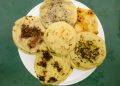
- Eat Local: Embrace the Salvadoran cuisine! Pupusas, the national dish, are delicious, filling, and incredibly affordable. Look for comedores (local eateries) for authentic and budget-friendly meals.
- Use Public Transportation: Buses are the most common and affordable way to get around. While they can be crowded, they offer a genuine glimpse into local life. Chicken buses (repurposed school buses) are a unique experience, but be mindful of your belongings.
- Stay in Hostels or Guesthouses: Hostels and guesthouses offer budget-friendly accommodation options, often with social atmospheres and opportunities to meet other travelers.
- Haggle Respectfully: In markets and with street vendors, bargaining is often expected. Be polite and respectful, and you can often negotiate a better price.
- Take Advantage of Free Activities: El Salvador boasts stunning beaches, volcanoes, and national parks. Many natural attractions are free to explore, allowing you to enjoy the country’s beauty without spending a dime.
- Travel During the Off-Season: The shoulder seasons (April-May and September-October) offer pleasant weather and fewer crowds, often with lower prices on accommodation and tours.
- Cook Your Own Meals: If you have access to a kitchen, cooking some of your own meals can significantly reduce your food expenses.
Exchanging Money in El Salvador: Where to Get the Best Rates
Since El Salvador uses the US dollar, you likely won’t need to exchange currency unless you’re arriving with a different currency. If you do need to exchange money, here are a few options:
- Banks: Banks generally offer the best exchange rates, but they may require you to have an account with them or charge a transaction fee.
- Exchange Houses (Casas de Cambio): These are specifically designed for currency exchange and can be found in airports, cities, and tourist areas. Compare rates between different exchange houses to find the best deal.
- Hotels: Hotels often offer currency exchange services, but the rates are usually less favorable than banks or exchange houses.
Before exchanging money, always check the current exchange rates and compare them across different providers. Be wary of individuals offering exchange services on the street, as they may be scams.
Common Scams and How to Avoid Them
While El Salvador is generally a safe country for tourists, it’s essential to be aware of potential scams and take precautions to protect your El Salvador travel money.
- ATM Skimming: Be wary of ATMs that appear to be tampered with. Check for suspicious attachments or loose parts. Cover the keypad when entering your PIN.
- Fake Bills: Be aware of counterfeit US dollar bills. Check for security features like watermarks and security threads.
- Overcharging: Always ask for the price before agreeing to a service, such as a taxi ride or a purchase from a street vendor. Confirm the price in USD.
- Distraction Scams: Be aware of your surroundings and keep your belongings close. Scammers may try to distract you while an accomplice attempts to steal your wallet or bag.
By being vigilant and aware of your surroundings, you can minimize your risk of falling victim to scams.
Using Traveler’s Checks: An Outdated Method
Traveler’s checks are becoming increasingly obsolete and are not widely accepted in El Salvador. You’ll likely have difficulty finding a bank or business that will cash them, and the exchange rates are usually unfavorable. It’s best to avoid using traveler’s checks and rely on cash and credit/debit cards instead.
Safety Tips for Handling Money in El Salvador
Your personal safety is paramount. When dealing with El Salvador travel money, keep these tips in mind:
- Don’t Flash Large Amounts of Cash: Avoid displaying large sums of money in public. Keep your cash and cards concealed and only take out what you need for each transaction.
- Use a Money Belt or Hidden Pouch: To protect your valuables, consider using a money belt or hidden pouch to store your passport, credit cards, and cash.
- Be Aware of Your Surroundings: Pay attention to your surroundings, especially in crowded areas or at night. Avoid walking alone in poorly lit areas.
- Use ATMs During the Day: If possible, use ATMs during daylight hours when there are more people around.
- Trust Your Instincts: If something feels wrong or suspicious, trust your gut and remove yourself from the situation.
El Salvador: A Budget-Friendly Paradise Awaits
With its stunning landscapes, vibrant culture, and affordable prices, El Salvador offers an unforgettable travel experience. By understanding the nuances of El Salvador travel money and following these budgeting and safety tips, you can embark on your adventure with confidence, knowing that you’re well-prepared to manage your finances and enjoy everything this beautiful country has to offer.
So, pack your bags, brush up on your Spanish phrases, and get ready to explore the Land of Volcanoes. Your Salvadoran adventure awaits!