How to Get to Ruta de las Flores: Your Ultimate Transportation Guide
Imagine yourself cruising through El Salvador, the wind whispering tales of vibrant flowers and charming colonial towns. You’re headed to Ruta de las Flores, the famed Flower Route, a scenic journey that promises breathtaking landscapes and unforgettable experiences. But how exactly *doyou get there? Fear not, intrepid traveler! This comprehensive guide will navigate you through every possible transport option, ensuring your journey to Ruta de las Flores is as smooth and enjoyable as the destination itself.
Understanding Ruta de las Flores
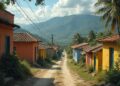
Before diving into the logistics, let’s briefly paint a picture of what you’re getting into. Ruta de las Flores isn’t just one town, but a string of picturesque villages nestled in the western highlands of El Salvador. Think cobblestone streets, colorful murals, coffee plantations, and, of course, an abundance of flowers in bloom, especially during the rainy season (roughly May to October). The primary towns along the route include:
- Sonsonate: Often considered the gateway to the Flower Route.
- Nahuizalco: Known for its indigenous heritage and vibrant night market.
- Juayúa: A popular spot for its weekend food festival.
- Apaneca: Home to stunning lagoons and coffee farms.
- Ataco: The most popular, with its charming artisan shops and colonial architecture.
Knowing your entry point and desired destinations will help you choose the most efficient transportation method.
Getting to El Salvador
If you’re coming from abroad, your journey begins with reaching El Salvador. The most common way is by flying into Monseñor Óscar Arnulfo Romero International Airport (SAL), located about 45 minutes outside of San Salvador, the capital city.
From Monseñor Óscar Arnulfo Romero International Airport (SAL) to San Salvador
Once you’ve landed, you have a few options to get to San Salvador, which serves as a central hub for onward travel to Ruta de las Flores:
- Private Airport Transfer: The most comfortable and convenient option, especially if you have a lot of luggage. Book in advance for a hassle-free experience. Many companies offer this service.
- Taxi: Taxis are readily available outside the airport, but negotiate the fare beforehand to avoid surprises.
- Shuttle: Shared shuttle services are a more affordable option. Check with your hotel or hostel in San Salvador, as they often arrange airport pickups.
- Bus: The cheapest option, but can be crowded and less convenient. Look for the Ruta 138 bus that goes to San Salvador. Consider this if you are on a very tight budget and comfortable with public transport.
Reaching Ruta de las Flores from San Salvador
Now that you’re in San Salvador, it’s time to tackle the final leg of your journey. Here’s a breakdown of your transportation choices:
1. Public Buses: The Local Experience (and Budget-Friendly)
For the adventurous traveler on a budget, public buses are the way to go. They’re frequent, cheap, and offer a fascinating glimpse into local life. However, be prepared for crowded conditions and a slower pace. This is definitely the most immersive, local experience.
How to Take the Bus to Ruta de las Flores:
- Head to the Terminal de Occidente (West Terminal) in San Salvador. This is the main bus terminal for destinations west of the city. Ask your hotel or hostel for directions, or take a taxi/Uber.
- Look for buses heading to Sonsonate. Sonsonate is the main transport hub for accessing the Flower Route. These buses are typically marked with Sonsonate or have the route number 205.
- From Sonsonate, take local buses to the specific towns along Ruta de las Flores. You’ll find buses to Nahuizalco, Juayúa, Apaneca, and Ataco. Ask around to ensure you’re on the right bus, as signage might not always be clear.
Tips for Bus Travel:
- Travel during daylight hours. It’s generally safer and easier to navigate.
- Keep your belongings close and be aware of your surroundings. Petty theft can occur, especially in crowded areas.
- Have small bills ready. Fares are usually quite cheap (a few dollars or less), so avoid paying with large denominations.
- Ask for help. Locals are generally friendly and willing to assist you if you’re unsure where to go.
- Brush up on your Spanish. While some people may speak English, knowing basic Spanish phrases will be incredibly helpful.
2. Chicken Buses: A Step Further into Local Culture
Chicken buses are essentially repurposed North American school buses painted in vibrant colors. They are even cheaper and more frequent than the regular public buses, but even more crowded and rickety. Consider them if you *reallywant an authentic (and somewhat intense) experience. Follow the same directions as above, but be prepared for a wilder ride.
3. Renting a Car: Freedom and Flexibility
If you crave independence and want to explore Ruta de las Flores at your own pace, renting a car is an excellent option. It gives you the freedom to visit off-the-beaten-path locations and linger longer in the towns you love. However, factor in the cost of rental, gas, and potential insurance.
Tips for Renting a Car:
- Book in advance, especially during peak season. Compare prices from different rental agencies to find the best deal.
- Ensure your driver’s license is valid in El Salvador. An international driving permit is often recommended.
- Choose a vehicle suitable for the terrain. While most roads are paved, some side roads can be unpaved or steep. A 4×4 vehicle isn’t usually necessary, but a car with good ground clearance is helpful.
- Inspect the car thoroughly before driving off. Note any existing damage to avoid being charged for it later.
- Familiarize yourself with local traffic laws. Driving can be chaotic at times.
- Consider purchasing full insurance coverage. This will provide peace of mind in case of an accident or damage.
- Use a GPS navigation system or a reliable map app. While signage is generally decent, it’s always good to have a backup.
Driving Directions:
From San Salvador, take the CA-1 (Carretera Panamericana) west towards Sonsonate. The drive takes approximately 1.5 to 2 hours, depending on traffic. Once you reach Sonsonate, follow the signs to the different towns along Ruta de las Flores.
4. Hiring a Private Driver: Comfort and Convenience
For a more comfortable and hassle-free experience, consider hiring a private driver. This option allows you to relax and enjoy the scenery without worrying about navigating traffic or finding your way. It’s particularly beneficial if you’re traveling in a group or have limited time.
How to Arrange a Private Driver:
- Ask your hotel or hostel to recommend a reputable driver. They often have reliable contacts.
- Search online for private driver services in El Salvador. Read reviews and compare prices before making a booking.
- Negotiate the price and itinerary beforehand. Be clear about your desired destinations and the duration of your trip.
5. Tourist Shuttles: A Comfortable Middle Ground
Several tour operators offer shuttle services that cater specifically to tourists traveling between San Salvador and Ruta de las Flores. These shuttles are typically more comfortable than public buses and offer a convenient and relatively affordable option.
Benefits of Tourist Shuttles:
- Comfortable seating and air conditioning.
- Reliable schedules.
- Door-to-door service (in some cases).
- Convenient for reaching multiple towns along the route.
Search online for tourist shuttles San Salvador Ruta de las Flores to find available options.
Choosing the Right Option for You
The best way to get to Ruta de las Flores depends on your budget, travel style, and priorities. Here’s a quick summary to help you decide:
| Transportation Method | Pros | Cons | Best For |
|---|---|---|---|
| Public Buses | Cheapest, authentic experience | Crowded, slow, less comfortable, can be unsafe | Budget travelers, adventurous souls |
| Chicken Buses | Extremely cheap, very local | Very crowded, uncomfortable, potentially unsafe | Thrill-seekers on a tight budget |
| Renting a Car | Freedom, flexibility, explore at your own pace | More expensive, requires driving skills, parking can be difficult | Independent travelers, those wanting to explore off the beaten path |
| Private Driver | Comfort, convenience, personalized service | More expensive than buses or renting a car | Groups, travelers with limited time, those seeking comfort |
| Tourist Shuttles | Comfortable, reliable, convenient | More expensive than public buses, less flexible than renting a car | Travelers seeking a balance of comfort and affordability |
Enjoy the Journey!
No matter which mode of transportation you choose, getting to Ruta de las Flores is an adventure in itself. Embrace the experience, soak in the stunning scenery, and prepare to be captivated by the beauty and charm of this magical region of El Salvador. Plan your journey carefully, remain flexible, and most importantly, have fun!