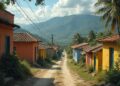
Leaving El Salvador: Lasting Impressions of a Land and Its People
The bus pulled away from the dusty terminal, the air thick with the scent of exhaust and pupusas. As the Salvadoran landscape blurred into a green and brown watercolor painting outside the window, a flood of memories, emotions, and lingering questions washed over me. Leaving El Salvador wasn’t just departing a country; it was saying goodbye to a vibrant, complex, and deeply affecting experience that reshaped my perspective in ways I’m only beginning to understand.
The Enduring Warmth of the Salvadoran People
More than the stunning volcanoes or the black sand beaches, what will remain etched in my memory are the people. The genuine warmth and resilience of the Salvadoran people shine through even in the face of adversity.
I remember sitting in a small comedor in Suchitoto, the rhythmic drumming of the rain on the tin roof competing with the animated chatter of Doña Elena and her daughters as they prepared pupusas. They welcomed me, a complete stranger, with open arms, sharing stories of their lives, their struggles, and their unwavering hope for a better future. Their laughter was infectious, their spirit unyielding. These were not just vendors; they were storytellers, survivors, and embodiments of the Salvadoran spirit: hopeful, strong, and so generous.
Hospitality Beyond Expectation
The concept of hospitality is deeply ingrained in Salvadoran culture. Whether it was directions eagerly offered on a bustling street in San Salvador or an invitation for coffee from a family tending their coffee plantation in the highlands, the willingness to help and connect was ever-present. One afternoon, lost in the maze of streets in Santa Ana, a young man walked me several blocks out of his way to ensure I found the correct bus stop. It was a small act, but it spoke volumes about the inherent kindness that permeates everyday interactions.
A Land Scarred by History, Yet Bursting with Life
El Salvador’s beauty is undeniable. Towering volcanoes pierce the skyline, their slopes draped in lush vegetation. The Pacific coast offers dramatic black sand beaches pounded by powerful waves. But this natural beauty is juxtaposed with the visible scars of a tumultuous past.
The civil war, which ravaged the country for twelve years, left deep wounds that are still healing. The stories I heard from those who lived through it were chilling – tales of displacement, loss, and unimaginable hardship. Yet, amidst this pain, there is an extraordinary resilience. Communities are rebuilding, memories are being honored, and a new generation is determined to forge a more peaceful and prosperous future.
Confronting the Ghosts of the Past
Visiting sites like El Mozote, where a horrific massacre took place during the civil war, was a deeply sobering experience. The memorial there serves as a poignant reminder of the atrocities committed and a testament to the importance of remembering the past to prevent such tragedies from ever happening again. Seeing the quiet dignity of the survivors, their determination to keep the memories of their loved ones alive, was both heartbreaking and inspiring.
The Allure and Challenge of El Pulgarcito de América (The Thumb of America)
El Salvador is often referred to as El Pulgarcito de América, or The Thumb of America, due to its small size. But what it lacks in size, it more than makes up for in character and diversity. From the bustling capital city to the tranquil coffee plantations, each region offers a unique glimpse into the soul of El Salvador.
However, the challenges facing the country are undeniable. Poverty, gang violence, and corruption remain significant obstacles to progress. Many Salvadorans, especially young people, feel compelled to leave in search of better opportunities, contributing to a brain drain that further hinders development. Hearing their stories of desperation and the difficult choices they face was a stark reminder of the complex realities on the ground.
Navigating the Complexities of Daily Life
Simple things that I took for granted back home often presented significant challenges in El Salvador. From navigating the chaotic public transportation system to understanding the nuances of local customs, daily life required a constant effort to adapt and learn. While frustrating at times, these experiences provided invaluable insights into the resourcefulness and resilience of the Salvadoran people. Seeing how they navigated these challenges with grace and ingenuity was a lesson in itself.
The Flavors and Sounds that Will Linger
The sensory experiences of El Salvador are unforgettable. The aroma of freshly roasted coffee beans wafting through the air, the vibrant colors of the textiles woven by local artisans, the rhythmic beat of salsa music spilling out from open doorways – these are the impressions that will stay with me long after I’ve left.
A Culinary Adventure
Salvadoran cuisine is a delightful mix of indigenous traditions and Spanish influences. Pupusas, thick corn tortillas stuffed with cheese, beans, or meat, are a national staple. The tangy curtido, a pickled cabbage slaw, perfectly complements the savory filling. From the simple street food to the more elaborate dishes served in restaurants, every meal was a culinary adventure. I still crave the taste of a freshly made pupusa, a little taste of El Salvador I hope I can recreate at home.
A Personal Transformation
My time in El Salvador was more than just a trip; it was a transformative experience. It challenged my assumptions, broadened my perspectives, and deepened my understanding of the world. I arrived with preconceived notions, but I left with a profound respect for the Salvadoran people and a renewed appreciation for the simple things in life.
The Importance of Connection
The connections I made with the people I met in El Salvador were the most meaningful aspect of my journey. Sharing stories, laughter, and even moments of silence created bonds that transcended cultural and linguistic barriers. These connections reminded me of our shared humanity and the importance of empathy and understanding in a world that often feels divided.
Leaving El Salvador: A Fond Farewell, Not a Final Goodbye
As the bus pulled further away, I knew that I was leaving a piece of my heart in El Salvador. The impressions, both joyful and sorrowful, have woven themselves into the fabric of my being. Leaving El Salvador wasn’t easy, but it was necessary. It was time to process all that I had seen and learned, to share my experiences with others, and to find ways to support the Salvadoran people in their ongoing struggle for a better future. It’s a fond farewell, but not a final goodbye. I hope that one day, I will return to the land of volcanoes and warmth, to reconnect with the people who touched my heart and to witness the continued progress of this resilient nation. Until then, the memories and lessons of El Salvador will continue to guide me on my journey.