Crossing the Border from Guatemala to El Salvador: A Comprehensive Guide
The journey from Guatemala to El Salvador is more than just traversing a geographical line; it’s a passage between cultures, landscapes, and experiences. For travelers seeking to explore Central America, this border crossing is a common and crucial step. However, navigating the process can seem daunting, with paperwork, procedures, and potential pitfalls. This comprehensive guide aims to demystify the experience, providing you with the knowledge and confidence to cross the border smoothly and safely.
Planning Your Trip
Before you even consider packing your bags, meticulous planning is essential. This involves several key aspects that will significantly impact the ease and enjoyment of your journey.
Visa Requirements
The first step is understanding the visa regulations for your nationality. Both Guatemala and El Salvador are part of the CA-4 agreement, which also includes Honduras and Nicaragua. This agreement allows citizens of these countries to move freely between them without a visa. However, for other nationalities, a valid passport is usually sufficient for a stay of up to 90 days. It is your responsibility to determine what documents you need. Always verify the latest requirements with the embassy or consulate of El Salvador in your country, as regulations can change with little notice. Ensure your passport has at least six months of validity remaining.
Transportation Options
Choosing the right mode of transportation is crucial for a comfortable and efficient border crossing. Several options are available, each with its own set of advantages and disadvantages:
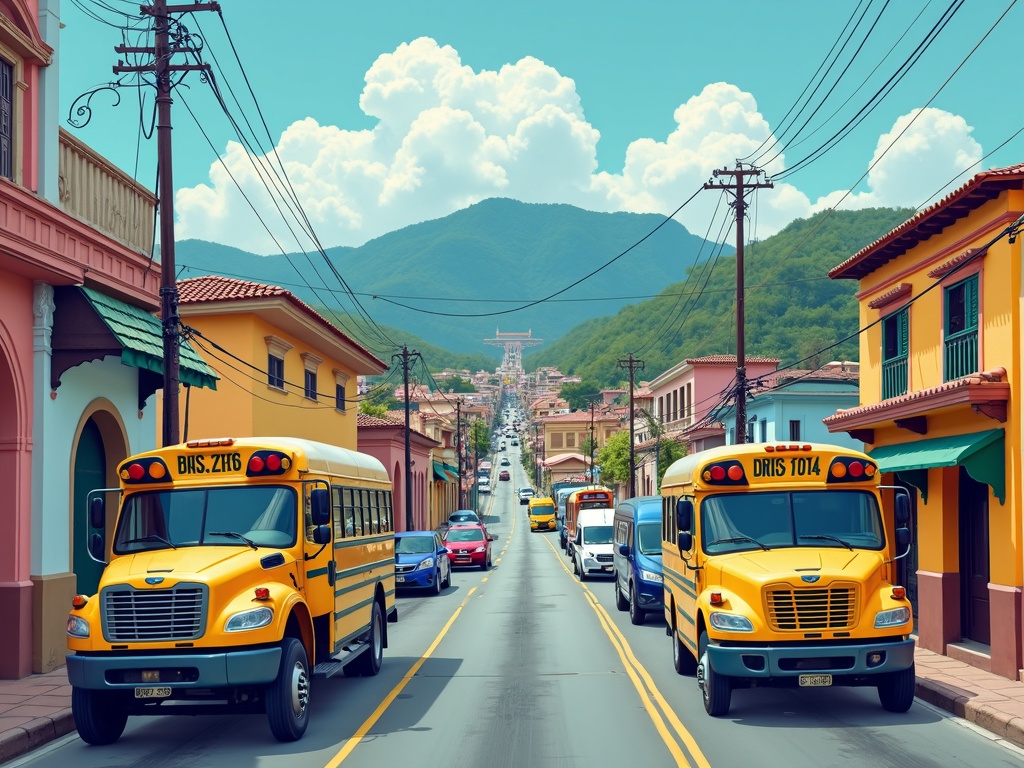
- Chicken Buses: The most economical option, chicken buses are repurposed school buses that serve as the primary mode of transport for locals. While affordable, they can be crowded, slow, and may not be the safest option for carrying valuables.
- Shuttle Services: Tourist shuttle services offer a more comfortable and secure alternative, often with door-to-door service. These are more expensive than chicken buses but provide a more relaxed and convenient experience.
- Private Car: Driving your own vehicle offers the most flexibility, allowing you to explore at your own pace. However, it also requires navigating unfamiliar roads, dealing with local traffic laws, and ensuring your vehicle has the necessary permits and insurance.
- Taxi: Taxis can be useful for shorter distances, especially from border towns to nearby cities. Agree on a price beforehand to avoid being overcharged.
Best Time to Travel
The dry season, from November to April, is generally considered the best time to travel between Guatemala and El Salvador. The weather is more predictable, making travel easier and more enjoyable. However, this is also the peak tourist season, so expect higher prices and more crowded conditions. The rainy season, from May to October, can bring heavy downpours and potential road closures.
The Border Crossing Process
Understanding the border crossing process is key to a smooth experience. Here’s a step-by-step guide:
Choosing Your Border Crossing Point
Several border crossings exist between Guatemala and El Salvador, each with its own characteristics. The most commonly used crossings are:
- Valle Nuevo/Chinamas: This is the most popular and busiest crossing, located on the Pan-American Highway. It’s generally efficient but can be crowded, especially during peak hours.
- Ciudad Pedro de Alvarado/La Hachadura: Another major crossing point, often used by buses and trucks.
- Anguiatú/Metapán: A smaller, less crowded crossing, suitable for those traveling by car or local bus. It can be a good alternative to the busier crossings.
Step-by-Step Guide
- Guatemalan Exit: First, you’ll need to complete the exit procedures on the Guatemalan side. This typically involves filling out an exit form and paying any applicable departure taxes (though these are often included in your airline ticket if you flew into Guatemala). Have your passport ready for inspection.
- Walking Across: Depending on the crossing, you may need to walk a short distance between the Guatemalan and El Salvadoran immigration offices. Be prepared to carry your luggage.
- El Salvadoran Entry: On the El Salvadoran side, you’ll go through immigration. You may be asked about your purpose of visit, intended length of stay, and proof of onward travel or accommodation. Have your passport and any necessary documents readily available.
- Customs Inspection: After immigration, you may be subject to a customs inspection. Be prepared to declare any items you are bringing into the country.
- Payment of Fees: Some border crossings may require you to pay an entry or exit fee. Have small denominations of US dollars available, as credit cards are typically not accepted.
Potential Challenges and How to Overcome Them
While crossing the border can be a straightforward process, it’s important to be aware of potential challenges and how to navigate them.
Language Barrier
Spanish is the official language of both Guatemala and El Salvador. If you don’t speak Spanish, it can be challenging to communicate with border officials and locals. Learning basic Spanish phrases before your trip can be extremely helpful. Alternatively, consider traveling with a Spanish-speaking companion or using a translation app.
Scams and Extortion
Unfortunately, scams and extortion attempts can occur at some border crossings. Be wary of individuals offering unsolicited assistance or demanding excessive fees. Always verify information with official sources and avoid engaging with unofficial personnel. Never offer bribes, and if you feel threatened, remain calm and assertive. Report any incidents to the appropriate authorities.
Delays
Delays are common at border crossings, especially during peak hours or holidays. Be patient and prepared to wait. Bring snacks and water, and avoid scheduling your trip too tightly. Factor in extra time for potential delays.
Currency Exchange
While US dollars are widely accepted in both Guatemala and El Salvador, it’s still a good idea to have some local currency (quetzales in Guatemala and US dollars in El Salvador). Exchange currency at reputable banks or exchange houses, and avoid exchanging money with unofficial street vendors, as they may offer unfavorable rates or counterfeit bills.
Safety Tips for Your Journey
Your safety should be your top priority when crossing the border. Here are some essential safety tips to keep in mind:
- Protect Your Belongings: Be aware of your surroundings and keep your belongings close at all times. Avoid displaying expensive jewelry or electronics, and be especially cautious in crowded areas.
- Travel During Daylight Hours: Whenever possible, travel during daylight hours, as roads are generally safer and more secure.
- Use Reputable Transportation: Choose reputable transportation services or drivers, and avoid traveling alone in unfamiliar areas.
- Share Your Itinerary: Share your travel itinerary with a trusted friend or family member, and check in regularly.
- Stay Informed: Stay informed about local conditions and potential safety risks by monitoring news reports and consulting with local authorities. [externalLink insert]
What to Expect After Crossing the Border
Once you’ve successfully crossed the border into El Salvador, you’ll find yourself in a country with a rich culture and stunning natural beauty.
First Impressions of El Salvador
El Salvador offers a diverse range of experiences, from bustling cities to tranquil beaches. The people are generally friendly and welcoming, and the country is known for its delicious cuisine.
Transportation Within El Salvador
Getting around El Salvador is relatively easy, with a variety of transportation options available:
- Buses: Buses are the most common and affordable mode of transport, connecting major cities and towns.
- Taxis: Taxis are readily available in urban areas, but be sure to negotiate the price beforehand.
- Rental Cars: Renting a car offers the most flexibility, allowing you to explore the country at your own pace.
Where to Go and What to See
El Salvador boasts a wealth of attractions, including:
- San Salvador: The capital city, offering a mix of historical sites, modern amenities, and vibrant nightlife.
- Beaches: El Salvador’s Pacific coast is renowned for its world-class surfing beaches, such as El Tunco and El Zonte.
- Volcanoes: Explore the country’s dramatic volcanic landscapes, including the Santa Ana volcano and the Izalco volcano.
- Coffee Plantations: Visit a traditional coffee plantation and learn about the process of coffee cultivation.
- National Parks: Discover the country’s diverse flora and fauna in its national parks, such as El Imposible National Park.
Final Thoughts
Crossing the border from Guatemala to El Salvador is a rewarding experience that opens the door to a wealth of cultural and natural wonders. By planning ahead, understanding the border crossing process, and being aware of potential challenges, you can ensure a smooth and safe journey. So, pack your bags, embrace the adventure, and prepare to be captivated by the beauty and charm of El Salvador.