Experience Semana Santa in El Salvador: A Guide to Traditions, Travel, and Safety
Imagine the scent of incense mingling with the salty air of the Pacific, the vibrant hues of religious processions winding through cobblestone streets, and the rhythmic beat of drums echoing across ancient plazas. This is Semana Santa, or Holy Week, in El Salvador, a deeply spiritual and culturally rich experience unlike any other. Forget the crowded beaches of Cancun or the tourist traps of Europe; El Salvador offers an authentic glimpse into a tradition that has shaped its identity for centuries. But navigating this captivating celebration requires careful planning.
## What is Semana Santa and Why is it Important?
Semana Santa commemorates the Passion, Death, and Resurrection of Jesus Christ. It’s the most important week in the Catholic calendar, and in El Salvador, a country with a strong Catholic heritage, it’s a time of profound religious observance. From Palm Sunday to Easter Sunday, the week is filled with religious activities, family gatherings, and unique cultural expressions.
The importance of Semana Santa in El Salvador goes beyond religious devotion. It’s a time when families come together, often traveling from different parts of the country (or even abroad) to reunite and share in the traditions. It’s a period of reflection, repentance, and spiritual renewal. For visitors, it offers a chance to witness El Salvador’s cultural heartbeat, a vibrant blend of faith, history, and community.
## Planning Your Trip to El Salvador for Semana Santa
Planning a trip to El Salvador during Semana Santa requires careful consideration. Here’s a step-by-step guide to ensure a smooth and enriching experience:
### 1. Booking Flights and Accommodation
**Book Early:Semana Santa is a popular time to visit El Salvador, especially for Salvadorans living abroad. Flights and accommodation fill up quickly, so book well in advance (at least several months) to secure the best deals and availability.
**Consider Airport Options:El Salvador International Airport Saint Óscar Arnulfo Romero y Galdámez (SAL) is the main international airport.
**Accommodation Variety:El Salvador offers a range of accommodation options, from budget-friendly hostels to luxurious hotels. Popular destinations like Suchitoto, the Ruta de las Flores, and beach towns like El Tunco offer a variety of choices. During Semana Santa, many families also rent out rooms in their homes, offering a more immersive cultural experience.
### 2. Choosing Your Destinations
El Salvador offers diverse experiences during Semana Santa, depending on your interests:
**Suchitoto:Known for its stunning colonial architecture, Suchitoto hosts impressive processions and religious ceremonies. The town’s serene atmosphere and picturesque setting make it a great base for exploring the surrounding area.
**Ruta de las Flores:This scenic route through El Salvador’s coffee-growing region comes alive with colorful flower displays and cultural events during Semana Santa. The towns along the route, such as Juayúa, Ataco, and Apaneca, offer unique traditions and culinary experiences.
**San Salvador:The capital city offers a mix of religious events, cultural performances, and modern attractions. The Metropolitan Cathedral and the Rosario Church are key sites for observing religious ceremonies.
**Beach Towns (El Tunco, El Sunzal):While Semana Santa is primarily a religious holiday, many Salvadorans also head to the beaches for relaxation and recreation. Expect these areas to be crowded and lively.
### 3. Understanding Transportation
**Public Transportation:Buses are the most common and affordable way to get around El Salvador. However, they can be crowded, especially during Semana Santa.
**Rental Cars:Renting a car offers more flexibility, especially if you plan to explore multiple destinations. However, be prepared for heavy traffic and potential delays during Semana Santa.
**Private Shuttles:Private shuttle services are a convenient and comfortable option, especially for airport transfers and traveling between major tourist destinations.
**Taxis and Ride-Sharing:Taxis and ride-sharing services like Uber are available in major cities. Agree on the fare before starting your journey.
### 4. Packing Essentials
**Comfortable Shoes:You’ll be doing a lot of walking, especially if you plan to participate in processions or explore historical sites.
**Light Clothing:El Salvador has a tropical climate. Pack light, breathable clothing made of natural fabrics.
**Sunscreen and Hat:Protect yourself from the sun, especially if you plan to spend time outdoors.
**Insect Repellent:Mosquitoes can be prevalent, especially in coastal areas.
**Reusable Water Bottle:Stay hydrated by carrying a reusable water bottle.
**Basic First-Aid Kit:Include essentials like pain relievers, bandages, and antiseptic wipes.
**Respectful Attire:When visiting churches or participating in religious ceremonies, dress respectfully (avoid shorts, tank tops, and revealing clothing).
### 5. Important Phrases
Knowing a few basic Spanish phrases will enhance your experience and allow you to connect with locals:
**Hola:Hello
**Buenos días/tardes/noches:Good morning/afternoon/evening
**Por favor:Please
**Gracias:Thank you
**De nada:You’re welcome
**¿Cuánto cuesta?:How much does it cost?
**¿Dónde está…?:Where is…?
**No entiendo:I don’t understand
## Experiencing the Traditions of Semana Santa
Semana Santa in El Salvador is a sensory feast. Here’s what you can expect to see, hear, and experience:
### 1. Processions (Procesiones)
Processions are the heart of Semana Santa celebrations. Religious brotherhoods and sisterhoods, known as *cofradías*, carry elaborate floats (andas) depicting scenes from the Passion of Christ through the streets. The processions are accompanied by marching bands, incense, and prayers.
**Palm Sunday:Commemorates Jesus’s arrival in Jerusalem.
**Holy Wednesday:Often features processions depicting the betrayal of Judas.
**Good Friday:The most solemn day, with processions mourning the crucifixion of Jesus.
**Easter Sunday:Celebrates the resurrection of Jesus, with joyful processions and celebratory masses.
### 2. Alfombras de Aserrín (Sawdust Carpets)
One of the most striking traditions of Semana Santa is the creation of *alfombras de aserrín*, intricate carpets made from dyed sawdust, flowers, and other materials. These ephemeral works of art adorn the streets through which the processions pass. Families and communities work for hours, even days, to create these stunning displays of faith and artistry.
### 3. Religious Services
Churches across El Salvador hold special services throughout Semana Santa, including masses, vigils, and reenactments of biblical scenes. Attending a service can be a deeply moving experience, even if you don’t speak Spanish.
### 4. Traditional Foods
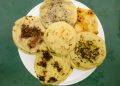
Semana Santa is also a time for traditional foods. Some popular dishes include:
**Sopa de Pescado:Fish soup, often served on Good Friday.
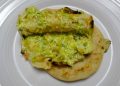
**Empanadas:Savory pastries filled with meat, vegetables, or cheese.
**Torrejas:Bread soaked in milk and eggs, then fried and drizzled with syrup.
**Dulce de Mango:Mangoes cooked in sugar and spices, creating a sweet and sticky dessert.
## Safety and Security Tips for Semana Santa in El Salvador
While El Salvador has made significant strides in improving safety and security in recent years, it’s still important to take precautions, especially during a busy time like Semana Santa:
**Be Aware of Your Surroundings:Pay attention to your surroundings and avoid walking alone in poorly lit areas, especially at night.
**Don’t Flash Expensive Jewelry or Electronics:Avoid displaying expensive items that could attract unwanted attention.
**Keep Valuables Secure:Keep your valuables in a secure place, such as a hotel safe. When you’re out and about, carry your wallet and phone in a front pocket or a concealed pouch.
**Use Reputable Transportation:Use licensed taxis or ride-sharing services. Avoid hailing unmarked cars.
**Avoid High-Risk Areas:Research any areas known to be high-risk and avoid them, especially at night.
**Stay Informed:Stay updated on local news and advisories.
**Learn Basic Spanish Phrases:Knowing a few basic Spanish phrases can help you communicate with locals and ask for assistance if needed.
**Trust Your Instincts:If something feels wrong, remove yourself from the situation.
**Respect Local Customs:El Salvador is a conservative country with deeply held religiousbeliefs. Avoid behavior that might be considered disrespectful or offensive.
## Respecting Local Customs and Traditions
When visiting El Salvador during Semana Santa, it’s essential to be respectful of local customs and traditions. Here are a few tips to keep in mind:
**Dress Respectfully:When visiting churches or participating in religious ceremonies, dress modestly.
**Be Mindful of Noise Levels:Keep noise levels down, especially during religious services and processions.
**Ask Permission Before Taking Photos:Always ask permission before taking photos of people, especially during processions or religious ceremonies.
**Refrain from Drinking Alcohol in Public:It is prohibited to drink in public at parks, beaches or streets [externalLink insert]during semana santa.
**Be Patient and Understanding:Semana Santa can be a chaotic time, with large crowds and traffic delays. Be patient and understanding, and remember to enjoy the experience.
**Support Local Businesses:Support local businesses by purchasing souvenirs, eating at local restaurants, and staying in locally owned accommodations.
## Conclusion: An Unforgettable Experience
Semana Santa in El Salvador is an unforgettable experience that offers a glimpse into the heart and soul of this vibrant country. From the elaborate processions to the stunning *alfombras de aserrín*, the traditions of Semana Santa are a testament to El Salvador’s rich cultural heritage and deep-rooted faith. By planning your trip carefully, respecting local customs, and taking necessary safety precautions, you can immerse yourself in this captivating celebration and create memories that will last a lifetime. So, venture beyond the typical tourist destinations, embrace the spirit of Semana Santa, and discover the magic of El Salvador.