Getting around El Salvador can be a challenge. While renting a car offers flexibility, you’ll need a decent budget and to be skilful enough to drive defensively. Here we dive into El Salvador’s public transport system and layout how it provides an authentic, budget-friendly, and often exhilarating experience. Learn the intricacies of buses, microbuses, and taxis, equipping you with the knowledge to traverse El Salvador like a local.
Table of Contents
Understanding the Landscape of Public Transport in El Salvador
El Salvador’s public transport system is primarily bus-based, supplemented by microbuses (also known as collectivos or rutas) and taxis. Larger buses connect major cities and towns, while microbuses serve as efficient connectors within urban areas and between smaller communities. Taxis offer a more private and comfortable option, but they come at a higher cost. Think of it as a layered system, each option serving a different need and budget.
The Backbone: Buses ( buses ordinarios)
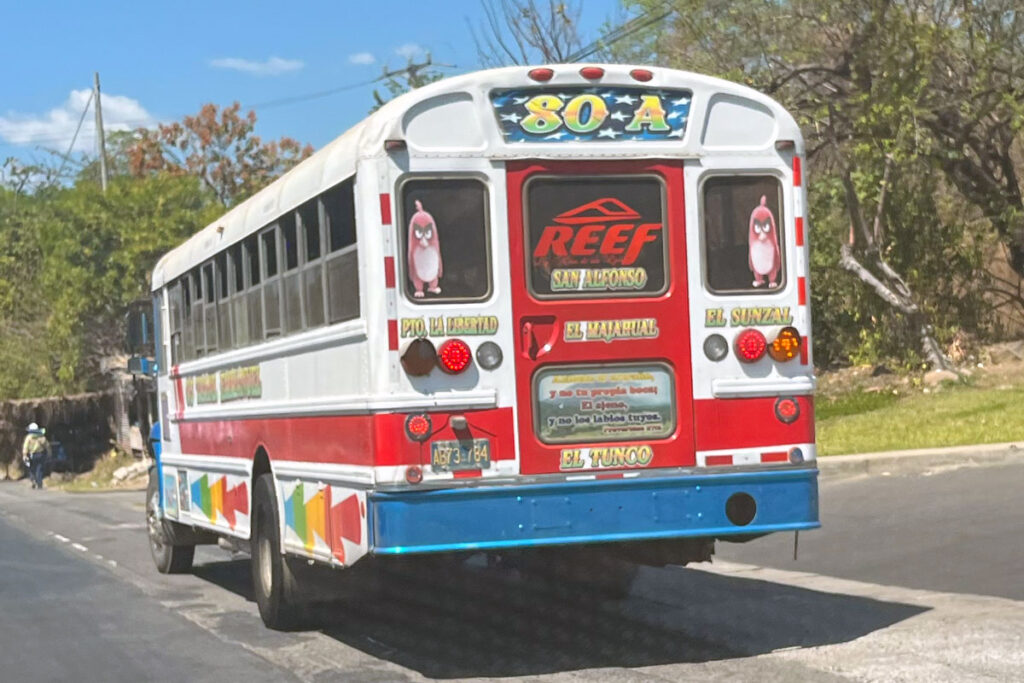
The most popular way of getting around El Salvador is by bus. Buses are the workhorses of El Salvador’s transport network. These are typically older, often repurposed school buses, painted in a riot of colors and adorned with decorations. They connect major cities and traverse longer distances. While they may not be the epitome of luxury, they are incredibly affordable and offer a glimpse into the daily lives of Salvadorans.
- Routes: Buses operate on fixed routes, clearly indicated (though sometimes only displayed on the front windshield – see below).
- Cost: Fares are very low, typically ranging from $0.25 to $1.50 depending on the distance.
- Payment: Pay in cash directly to the driver or a designated conductor. Small denominations are essential!
- Boarding: Buses typically stop anywhere along their route to pick up and drop off passengers. Just flag them down!
- Safety: Be aware of your belongings, especially in crowded buses. Keep valuables out of sight.
The Agile Connectors: Microbuses (collectivos or rutas)
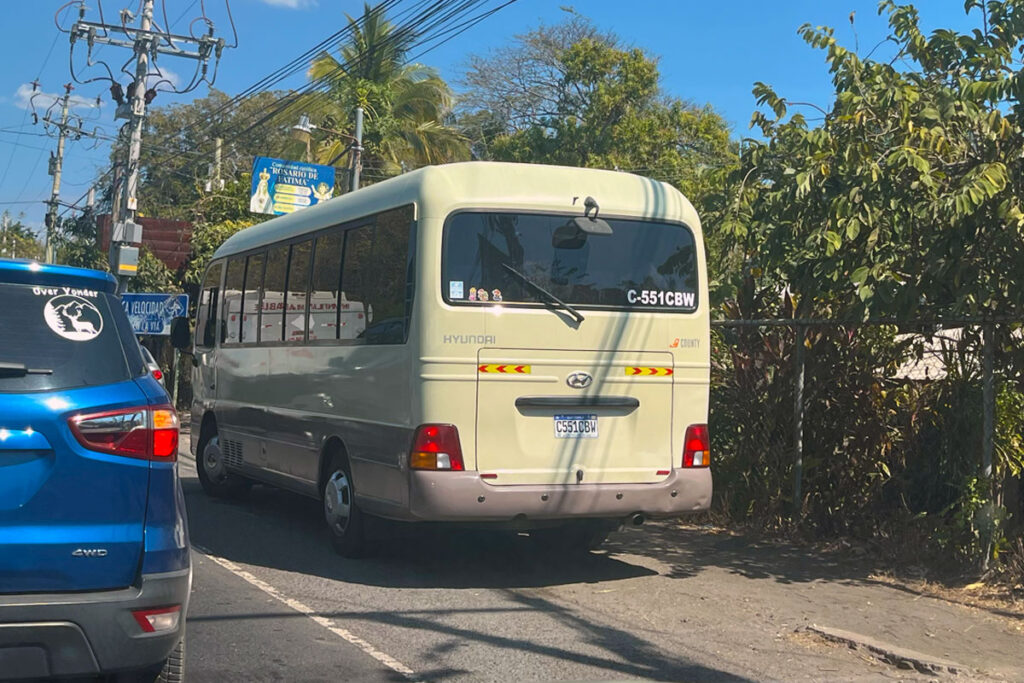
Microbuses are smaller, van-like vehicles that zip around urban areas and connect smaller towns to larger hubs. They are generally faster than buses, but can be more crowded. They are perfect for navigating the bustling streets of San Salvador or Santa Ana.
- Routes: Like buses, microbuses follow defined routes, often displayed on the windshield or side.
- Cost: Fares are similar to buses, usually between $0.25 and $0.75.
- Payment: Pay the driver directly in cash.
- Boarding: Similar to buses, microbuses stop frequently to pick up and drop off passengers.
- Comfort: Expect a tighter squeeze than on larger buses.
The Comfortable Option: Taxis
Taxis provide a more comfortable and private way of getting around El Salvador, ideal for airport transfers, late-night travel, or when you have luggage. However, they are significantly more expensive than buses or microbuses.
- Availability: Taxis are readily available in major cities, at airports, and near hotels. They are yellow in color.
- Cost: Fares are negotiable, so always agree on a price before getting in, especially if the taxi doesn’t have a meter. A typical short ride within a city might cost $5-$10. Airport trips can be $25 or more.
- Safety: Use reputable taxi stands or hotel-recommended services. Consider using ride-hailing apps like Uber (available in some areas) for added security and price transparency.
Essential Tips for Getting Around El Salvador On Public Transport
Getting around El Salvador on public transport is an adventure. Here’s how to prepare for a smooth and enjoyable experience:
1. Route Research is Key
Understanding the routes is crucial. While official route maps might be scarce, asking locals is the best way to determine which bus or microbus to take. Specify your destination clearly; for example, ¿Como llego a [Destination] en bus? (How do I get to [Destination] by bus?). Don’t be afraid to ask multiple people for confirmation.
2. Mastering the Art of Flagging Down a Bus
To hail a bus or microbus, simply stand on the side of the road along its route and wave your hand. Be decisive, as buses may not stop if they think you aren’t interested. Knowing the bus number (if available) or the destination it displays can help ensure you flag down the correct one.
3. Cash is King (and Small Bills are Royalty)
El Salvador’s public transport operates almost exclusively on cash. Small denominations ($1, $5, and coins) are essential. Drivers often don’t have change for larger bills, and it’s courteous to have the correct fare ready.
4. Embracing the Squeeze
Buses and microbuses, particularly during peak hours, can get very crowded. Be prepared to stand and potentially be packed tightly alongside other passengers. This is part of the experience!
5. Watch Your Belongings
Petty theft can occur on crowded buses. Keep your valuables out of sight and hold onto your bags securely. Avoid displaying expensive jewelry or electronics. Be particularly vigilant in busy areas like bus terminals.
6. Communication is Crucial
While English is not widely spoken, learning a few basic Spanish phrases will significantly enhance your experience. Knowing how to ask for directions, confirm the fare, and indicate your destination will make your journey much smoother. A simple ¿Cuánto cuesta? (How much does it cost?) and Me deja en [Landmark], por favor (Please let me off at [Landmark]) can go a long way.
7. Be Aware of Your Surroundings
As with any travel, maintain awareness of your surroundings. Pay attention to the other passengers and your environment. If something feels amiss, trust your instincts. While most Salvadorans are friendly and helpful, it’s always wise to be cautious.
8. Understand Bus Stop Etiquette
El Salvador doesn’t always have clearly marked bus stops. Often, people simply gather on the side of the road where buses frequently pass. To signal your intention to get off the bus, shout ¡Parada, por favor! (Stop, please!) or ¡Esquina! (Corner!) loudly enough for the driver to hear.
9. Exploring Alternative Transportation Options
Beyond buses, microbuses, and taxis, consider these alternatives:
- Uber: Uber operates in some areas of El Salvador, primarily in San Salvador. It offers a convenient and relatively safe alternative to taxis, with transparent pricing and GPS tracking.
- Rental Cars: Renting a car provides the flexibility to explore the country at your own pace. However, be prepared for challenging road conditions in some areas and the potential for traffic congestion in urban centers. Drive defensively!
- Shuttle Services: Private shuttle services connect major tourist destinations, offering a more comfortable and direct option than public transport. These are typically more expensive but can be worthwhile for longer journeys or for travelers seeking greater convenience.
Specific Routes and Destinations
Here’s some information on popular routes and destinations accessible by public transport in El Salvador:
- San Salvador to El Tunco: Buses run frequently from San Salvador to the surf town of El Tunco. Look for buses displaying El Tunco or Playas.
- San Salvador to Santa Ana: Several bus routes connect San Salvador and Santa Ana, the second-largest city in El Salvador. These buses depart from the Terminal de Occidente in San Salvador.
- Santa Ana to Lago de Coatepeque: Buses depart regularly from Santa Ana to Lake Coatepeque, a stunning crater lake.
- San Salvador to Suchitoto: Buses run from San Salvador to Suchitoto, a charming colonial town known for its indigo workshops and cobblestone streets.
Looking for more detail? This site has the most comprehensive details on buses I could find.
Safety Considerations for Using Public Transport in El Salvador
Safety is a paramount concern when traveling in any country, and getting around El Salvador is no different. Here are some tips to enhance your safety while using public transport in El Salvador:
- Travel During Daylight Hours: Whenever possible, avoid traveling on public transport late at night, as this increases the risk of crime.
- Be Discreet with Valuables: Avoid displaying expensive jewelry, watches, or electronics. Keep your phone and wallet out of sight and secure.
- Trust Your Instincts: If a situation feels uncomfortable or unsafe, remove yourself from it immediately.
- Share Your Itinerary: Let someone know your travel plans and expected arrival time.
- Avoid Isolated Areas: Be cautious when using public transport in isolated or poorly lit areas.
Conclusion: Embracing the Adventure of Public Transport in El Salvador
While it may seem daunting at first, getting around El Salvador on public transport is a rewarding and enriching experience. It’s an opportunity to connect with local culture, save money, and see the country from a different perspective. Embrace the adventure, be prepared, and enjoy the ride! The vibrant tapestry of El Salvador awaits, and its public transport system is ready to carry you through it. Now you understand how to get around, learn all about the things to see in our complete El Salvador guide.