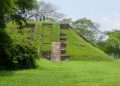
Imagine stepping back in time 1,400 years, to a thriving Mayan village frozen in a moment. No, this isn’t a movie set or a theme park. This is Joya de Cerén Archaeological Park, El Salvador’s Pompeii of the Americas, a UNESCO World Heritage site offering an unparalleled glimpse into the daily lives of ancient Mayan farmers. Forget dusty museum exhibits; here, you walk amidst the actual remains of a village, preserved by volcanic ash, offering a powerful and intimate connection to the past. Ready to embark on a Joya de Cerén tour? Our travel guide will get you to El Salvador, and this post will provide everything you need to plan your visit.
Table of Contents
What Makes Joya de Cerén So Special?
Unlike the grand pyramids and ceremonial centers that often dominate Mayan history, Joya de Cerén provides something much more relatable: a snapshot of everyday life. In approximately 600 AD, the Loma Caldera volcano erupted, burying the village under layers of ash. This cataclysm, while tragic for the inhabitants, proved to be a boon for archaeologists. The ash preserved the buildings, tools, pottery, and even the gardens in remarkable condition.
Think of it: homes with their thatched roofs collapsed but still intact, storage jars filled with beans, and meticulously cultivated fields laid out as if the farmers had just stepped away for a moment. Walking through Joya de Cerén isn’t just seeing history; it’s feeling it. This is why a tour of this site is unlike any other Mayan experience, and a worthy addition to anyone interested in visiting the Mayan ruins in El Salvador.
Key Features of Joya de Cerén Archaeological Park
- Well-Preserved Structures: Explore the remains of houses, kitchens, workshops, and a communal sauna, offering insights into Mayan architecture and social organization.
- Everyday Artifacts: Discover tools, pottery, and personal belongings that reveal the daily routines and skills of the villagers.
- Agricultural Fields: See the remnants of cultivated fields, providing evidence of Mayan farming techniques and crops.
- The Community Sauna: One of the most fascinating finds, this structure provides a unique glimpse into Mayan hygiene and social practices. The sauna’s design and construction are surprisingly sophisticated.
- In-Situ Preservation: Joya de Cerén stands out because much of what was found remains exactly where it was discovered, offering a truly authentic experience.
Planning Your Joya de Cerén Tour: Essential Information
Before you pack your bags, here’s what you need to know to plan your perfect Joya de Cerén tour:
Getting There
Joya de Cerén Archaeological Park is located in the valley of Zapotitán, about 25 kilometers (15 miles) northwest of San Salvador, the capital city.
- By Car: Renting a car offers the most flexibility. The drive from San Salvador takes approximately 45 minutes to an hour. From El Tunco and the surfing spots of Surf City, it’s about 1-hour 30 to 2-hour drive. The roads are generally well-maintained, but it’s always wise to check conditions beforehand. There is ample parking available at the site.
- By Bus: Public buses are an affordable option. Take bus number 201 from the Terminal de Occidente in San Salvador towards Santa Ana. Ask the driver to drop you off at the desvío a Joya de Cerén (Joya de Cerén turnoff). From there, you can take a short taxi or tuk-tuk ride to the site. Be aware that the bus can be crowded, and the journey may take longer than driving.
- Organized Tours: Several tour operators in San Salvador offer day trips to Joya de Cerén, often combined with visits to other nearby attractions like the San Andrés archaeological site and Lake Coatepeque. These tours typically include transportation, a guide, and entrance fees.
Joya de Cerén Archaeological Park: Entrance Fees and Opening Hours
- Entrance Fee: The entrance fee to Joya de Cerén is generally around $5 USD for foreigners.
- Opening Hours: The site is typically open from 9:00 AM to 4:00 PM, Tuesday to Sunday. It is closed on Mondays. However, it’s always recommended to check the official website or contact the site directly for the most up-to-date information, especially during holidays.
What to Bring
- Comfortable Shoes: You’ll be doing a fair amount of walking, so wear comfortable shoes suitable for uneven terrain.
- Sunscreen and Hat: The sun can be intense, especially during the dry season. Protect yourself with sunscreen, a hat, and sunglasses.
- Water: Stay hydrated, especially if you’re visiting during the hotter months.
- Insect Repellent: Mosquitoes can be present, particularly during the rainy season.
- Cash: While some larger establishments in El Salvador accept credit cards, it’s always a good idea to have cash on hand for smaller vendors, entrance fees, and transportation.
Enhance Your Experience: Guided Tours and Interpretive Center
While you can explore Joya de Cerén on your own, a guided tour can significantly enhance your understanding and appreciation of the site. Knowledgeable guides can provide context, share fascinating insights, and answer your questions.
Benefits of a Guided Tour
- In-depth Information: Guides offer detailed explanations of the history, archaeology, and significance of Joya de Cerén.
- Contextual Understanding: They can help you understand the layout of the village, the purpose of different structures, and the daily lives of the inhabitants.
- Answering Questions: Guides can address your specific questions and curiosities, making the experience more engaging and informative.
- Language Options: Guides are usually available in Spanish and English. It’s best to inquire about language availability when booking your tour.
The Interpretive Center
Before or after your tour of the archaeological site, be sure to visit the on-site Interpretive Center. This small museum provides valuable background information, displays artifacts recovered from the site, and offers interactive exhibits that bring the history of Joya de Cerén to life.
What to Expect on Your Tour
A typical tour of Joya de Cerén lasts between one and two hours, depending on your level of interest and whether you opt for a guided tour.
The Walking Route
The walking route through the site is relatively easy, with well-defined paths and gentle slopes. However, it’s important to wear comfortable shoes as the terrain can be uneven in places. The route takes you past key structures, including:
- The Houses: See the remains of dwellings, offering insights into Mayan family life.
- The Kitchens: Examine the remnants of cooking areas, complete with hearths and storage vessels.
- The Workshops: Discover where artisans crafted tools and other items.
- The Fields: Observe the preserved agricultural plots, revealing Mayan farming techniques.
- The Sauna: Get a close-up look at this fascinating structure and learn about its purpose.
Photography and Respect for the Site
Photography is generally allowed at Joya de Cerén, but it’s important to be respectful of the site. Avoid touching or climbing on the structures, and be mindful of other visitors. Drones may be restricted, so it’s best to check with site officials before flying one.
Beyond Joya de Cerén: Nearby Attractions
Make the most of your trip to El Salvador by exploring some of the other attractions in the surrounding area.
San Andrés Archaeological Site
Located just a short drive from Joya de Cerén, San Andrés is another important Mayan archaeological site. While less well-preserved than Joya de Cerén, San Andrés features impressive pyramids and ceremonial structures, offering a glimpse into the more formal aspects of Mayan civilization.
Lake Coatepeque
Lake Coatepeque is a stunning crater lake is a popular spot for swimming, boating, and relaxing. Enjoy breathtaking views of the surrounding landscape and indulge in delicious local cuisine at one of the lakeside restaurants.
Santa Ana
El Salvador’s second-largest city, Santa Ana, boasts beautiful colonial architecture, a vibrant cultural scene, and the impressive Santa Ana Volcano. Explore the city’s historic center, visit the Teatro de Santa Ana, and hike to the summit of the volcano for panoramic views.
Tips for a Memorable Visit
- Visit During the Dry Season: El Salvador has a tropical climate, with a rainy season from May to October. The best time to visit Joya de Cerén is during the dry season (November to April) when the weather is sunny and pleasant.
- Go Early in the Morning: To avoid the heat and crowds, try to visit Joya de Cerén early in the morning.
- Hire a Local Guide: A local guide can provide valuable insights and enhance your understanding of the site.
- Learn Some Basic Spanish: While many people in tourist areas speak English, knowing some basic Spanish phrases can be helpful, especially when traveling independently.
- Be Respectful of the Culture: El Salvador is a culturally rich country, so be respectful of local customs and traditions.
- Stay Safe: El Salvador has made great strides in improving safety in recent years, but it’s still important to be aware of your surroundings and take precautions against petty crime.
A visit to Joya de Cerén is more than just a tour; it’s a journey back in time. As you walk among the preserved remains of this ancient village, you’ll gain a newfound appreciation for the ingenuity, resilience, and everyday lives of the Mayan people. So, pack your bags, book your tour, and prepare to unearth the secrets of El Salvador’s Pompeii. The experience will leave you with lasting memories and a deeper understanding of the rich history and culture of Central America.